Showing posts with label central texas gardening. Show all posts

Wednesday, May 25, 2011

Wholesome Wednesdays: Garlic

It's garlic time! This year's softnecks are braided and hanging in the kitchen, some hardnecks that weren't quite ready are bundled and drying despite being immature, and a few more hardnecks and elephant garlics are still out in the garden getting nice and big. It's a good time of year to repost last year's Wholesome Wednesdays: Garlic. Enjoy!


Garlic, how do i love thee? I love thee very much! I've heard friends recently say "that recipe calls for 4 cloves of garlic, and that's just too much!" NEVER! NEVER TOO MUCH! I may be sweating garlic from my pores and panting from the mouth, but there's never too much garlic for me!

According to nutritiondata.com:
This food is very low in Saturated Fat, Cholesterol and Sodium. It is also a good source of Calcium, Phosphorus and Selenium, and a very good source of Vitamin C, Vitamin B6 and Manganese.
Caloriecount.com agrees and neither website can say ANYTHING bad about garlic at all:


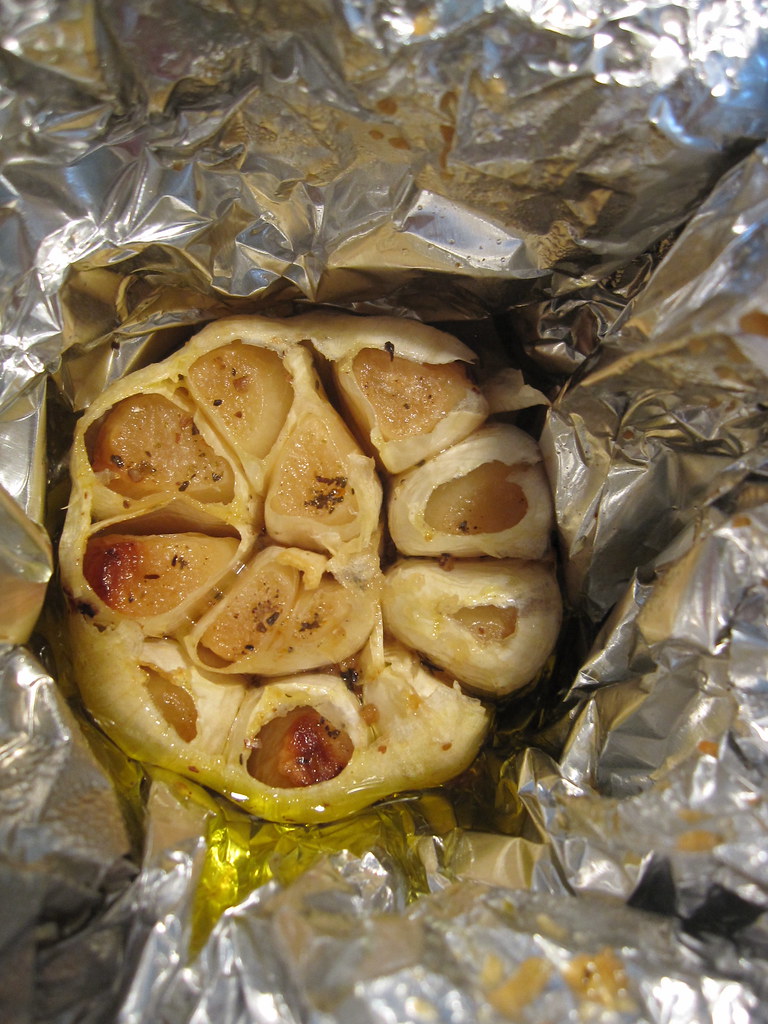
Like onions, i put garlic in just about everything i cook. It adds flavor, spice, and when roasted a real decadent creamy element. I usually put at least 3 cloves garlic in everything. Vitamin C, Calcium, and Iron are all things my body needs a lot of, especially since i don't eat a lot of citrus, dairy, or red meat. I planted as much garlic as i could fit into my gardens this year, but am still disatisfied with the yield. So far i've only been able to harvest the whips, or immature garlic that you eat more like a scallion. But their leaves are browning and the bulbs are finally expanding a bit, so i think in about a month or so i'll be harvesting and setting out to cure and then braid for storage. Store garlic in a cool, dry place: which doesn't exist in my house. But i use it up so fast, it generally doesn't have time to rot. You can't store garlic in the ground like onions, it will rot if you're not diligent.
These are last year's garlic braids. Hard necks don't like to be braided. This year's are much prettier. I'll have to take some photos soon.

Some garlic growing/cooking facts:
  • Each green leaf you see above ground equals a 'paper' on the clove and eventually a bulb. Wait for the leaves to brown, but not completely or you risk rotting. Check below the soil a few times until you see a nice plump bulb, harvest one and assess the situation. you want the papers to be pretty developed to protect each clove.
  • Garlic gets meaner with more abuse: if you put garlic cloves through a garlic press or bash to a smoosh with a knife, the garlic will be spicier. For milder tasting garlic, only tap the clove to remove the paper, then dice carefully.
  • The greens are edible when the plant is young.
  • The scapes and flowers of garlic are very tasty, almost like oniony broccoli. Saute and enjoy!

Thursday, April 14, 2011

10 Tips for The New Garden (or Gardener)

This post is not so covertly stolen (borrowed) from local business Yard Farm Austin's blog, where I write various gardening and chicken advice. This post was mostly written by Yard Farm's owner, Zach Herigodt with a few edits by me. Zach moved here from Oregon..... I'm moving back TO Oregon.... I think we have a lot in common. I would highly recommend the services provided by Yard Farm to anyone looking to install some new beds, venture into the task of installing irrigation, or transforming a whole yard into an urban, suburban or even country farm. Zach offers 1/2 hour free consultation and so many services from raised bed construction, to in the ground edible landscaping, to weekly maintenance (from me, for now!). If you're in the market for a little help starting a new gardening adventure, give them a call.
In the meantime, enjoy these easy tips for making your garden like you a little more, and for you to enjoy your garden with less stress:


If you're a new gardener, planting a new garden, or just looking for some quick tips to remind you of a few garden priorities, this post is for you.

Take care of the soil and the rest is easy: The plants will feed you but you must feed them first. Plant roots need lots of room to grow. Digging the soil deep and amending it with lots of organic matter (compost) makes this much easier. Use high quality blends when bringing soil in or dig manure/ compost in deeply if using whats already in ground. A one time application of Texas Greensand is also helpful to enrich the soil with minerals and keep your crops green.


Raise the soil up: Raised beds provide lots of advantages: better drainage, easier maintenance, better amendment process, closer to you so less stooping, and increases distance form caliche, hardpan or clay. Lots of fun bed container materials exists, but mounding the soil will achieve same results without the materials expense.

Use high quality, locally grown/ appropriate plant starts or seeds: Do not trust what the big box stores sell you. The same plants are sold across the entire Southern US and they are not appropriate for all places. Also, they are treated with a variety of chemicals to delay flowering, increase green color, stunt growth or be able to sit in a truck for days with limited sunlight. Locally grown starts are readily available at high quality area nurseries and many information sources exist discussing the appropriate varieties for Austin or wherever you live.

Give yourself access: You should do everything you can to increase access to your garden and make being in it a comfortable experience. Large beds require awkward stooping or stepping on the soil, which increases soil compaction and reduces root growth. Plan so you can easily touch every part of your garden without having to be in awkward positions. Well place stepping stones are also helpful.

Sun, sun, sun: Gardens should go where the sun is. Vegetable plants need no less than 6 hours of full sun everyday. More is better. Observe your space and put it where it will be successful, which sometimes is not the most convenient place. That being said: sometimes a little shade can be your friend. Plant your veggies in full sun, but consider installing some shade cloth during the hotter months to increase yield. Shade cloth lets sun in at an amount that the plants can handle without limiting direct exposure.

Automate watering: Drip irrigation conserves water, delivers water right to the plants' roots, cuts weeding in half and keeps water off the leaves which reduces pest and disease problems. The use of this and a simple inexpensive timer eliminates leaving the water on all night or having your garden die because your neighbor forgot to water while you were on a July weekend getaway.

Give plants plenty of space: Plants, like humans, need space to grow. When leaves touch insects move around easier and some leaves block the sun from others. Summer plants especially can get huge, so leave lots of space for seasonal growth.

Mulch: Mulch can be any organic (or inorganic) material that is layed on the surface of the soil at the roots of plants. Anything from newspaper, plastic sheeting, hay or pinestraw can be used. Mulch reduces weeds, evaporation and keeps soil biologically active near the surface. It rocks. Use it.


Plant what you eat: While a bed full of exotic Thai and habanero peppers is pretty cool, and your ability to eat a Bulgarian carrot pepper will impress your friends, the more you plant what you like to eat, the more you will. It's simple.

Spend time in the garden: Observation is crucial for garden success. Pest infestations and weeds usually come on slowly and can be controlled if caught early. If a plant looks funny, something might be askew. Treating symptoms early will reduce their long-term effect. Plants don't need a lot of help, but 5 minutes weeding, pruning, harvesting, staking and interaction every other day makes a huge difference in overall success. It also reduces stress and is fun, so go get in the garden and see whats going on.

Tuesday, February 1, 2011

Yip Yip: NIP NIP

It's getting chilly tonight!
Have you been wondering why the veggies in your garden aren't doing so great? Can you blame them?! It was nearly 80 degrees this weekend, and tonight it's forecasted for 19 degrees! My husband may repeatedly remind me that flukey weather is indeed 'normal' for around here, but i have a feeling the plants disagree with him as much as i do. Fluctuation is one thing, but these drastic changes can't be good for plant souls.

I've pretty much harvested everything but some cabbages. I have a lot of little germinating things that are bound to get frost bitten, and there are tons of volunteer herbs coming up as well as early wildflowers. The volunteers will have to stick it out by themselves, but i plan on 'covering' the germinating seedlings and other small greens that i'd like succeed. No more 'tent city' for me, though. Last year saw some 'near record lows' in early January. I went a little overboard.


A simple scattering of a layer of leaves from my backyard will be all the covering the plants get from me this year. My neighbor has a leaf blower that i'll borrow to uncover the plants once it warms back up, and the chicken poop left behind will be a little pick me up for the veggies. I'll also be sure and water the gardens well to fill the plants' vascular systems with water. If you have a mister and the freeze is imminent, you can mist your plants all night to keep them from freezing to death. This is a good strategy for keeping citrus alive, as well.

I may not be harvesting the bushels of salad that i was this time last year, sigh: but i have the very first cabbage success growing out there and some other lovely veggies doing their very best to grow despite the weather.

Monday, December 13, 2010

Frustration is Building....

My garden is stagnating. I've heard from gardeners all around town who are having the same problem. No rain plus weird inconsistent temperatures is stalling our veggies' growing patterns. Broccoli and other crops put in around September did their thing and are setting their second batch of crowns, but it seems that everything put in after that is just sitting. Waiting. Germinated then stalled. My garden is plagued with snails, which do their best to eat up all my germinated kale seeds and beet greens.


What is a gardener to do with weather doesn't do its part? Get frustrated, for one. And make due with what you have and what does work. And, add some fertilizer in hopes of making your plants happier. Seaweed is a great tonic to add to plants any time they need a little extra boost. You can buy powdered seaweed that you add to water and feed the soil and foliage for a little boost. If your crops are nice and green but lacking crowns or fruit, add a fertilizer with a large middle number. If your crops are just sitting there doing nothing, add some high nitrogen (first number) fertilizer. Side dressing with compost is always a good idea: make your own or purchase some from an organic nursery. No rain means you'll need to water a little more than you'd like, but cooler temperatures should keep the garden from drying out. Highs in the 70s aren't going to make your broccoli or cabbage any happier, so be sure and water on those mornings.


And at the very least, eat up what is available. This strange 'indian autumn' is at least providing more tomatoes and peppers, so have a nice hot bowl of chilly! Broccoli greens are edible, so even if you aren't getting the prize winning crowns you hoped for you can have a nice saute. And if you just can't stand watching your seedlings sitting there in a coma - head out to your local nursery and buy some lettuce and chard starts. They'll fill up the empty spaces, act as living mulch, and be edible in no time. Hopefully! You can also provide water and seeds for the local birds that will bring some welcomed color back to your desolate landscape.

Here in Austin we're lucky to have mild seasons great for growing veggies all year long. Sometimes the weather doesn't cooperate and things don't go as planned, but that's part of being a gardener: there's always a new challenge and something new to learn. At least the garden isn't covered with 3 feet of snow!

Wednesday, November 24, 2010

Wholesome Wednesdays: Cranberries *DELAYED*

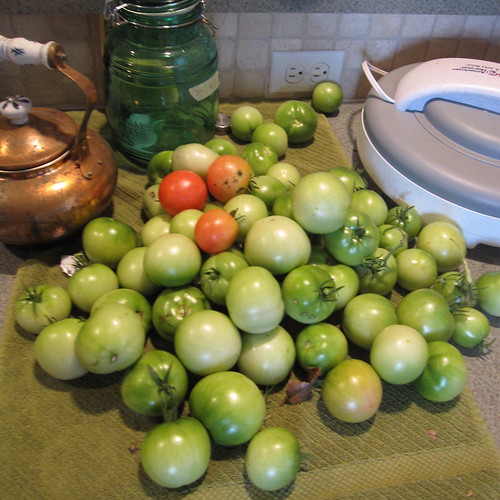
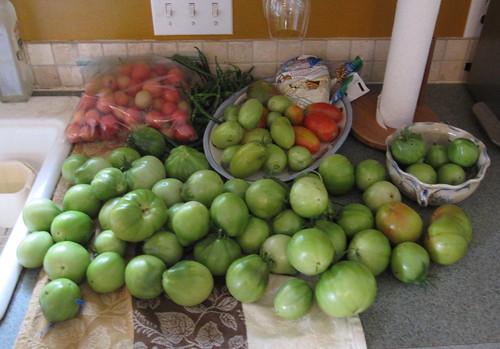
So sorry for skipping today's Wholesome Wednesdays post, everyone. I will post about cranberries next wednesday. Of course, the two days i'll be out of town the temps are supposed to plunge. Things most likely won't freeze to the point of ruined, but i'd rather hedge my bets. So, i harvested over 30 pounds of blushing and totally unripe tomatoes. Sigh. I sure hope at least some of those greenies ripen, as i really don't want to make 30 pounds worth of green tomato pie, fried green tomatoes, or any other green tomato anything (though i might try a chutney?)

I also picked the cayennes on the vine, all the jalapenos, and potted up my productive tabasco bush to have through the Winter. I'll be freezing most of those peppers anyway, so i don't mind picking them early: they're just as good green.


i'll be leaving these veggies out for a while and upon our return from Thanksgiving will give them some ripening banana friends to encourage ripening.

Do you have any tricks to get green tomatoes to ripen? Any good recipe ideas?

Friday, November 19, 2010

Baby It's Cold Outide!

 Not quite COLD, but brisk enough to consider bringing in the lemon tree...   What DOES one do with a lemon tree that has been potted up to a state of hugeness when one lives in a tiny, sunless house???? Advice welcome!


Looks like we bottomed out at 38 degrees last night - not sure what that means for this suburban lot, but i generally get a bit more frost than some and a bit less than others.... boy that's a profound statement. Anyway, we did drape some sheets over one of my massive tomatoes and just crossed our fingers for the rest of the produce.  Upon morning inspection, all appear fine and dandy. Frost hasn't touched us yet, but November 28 marks Austin's average first frost, so get ready for it. Floating row cover, light bulbs, sheets, mulch, pre-frost watering: all can help extend the life of your fall crop. If frost rears its ugly head sooner than expected, you can also pick a lot of the produce and hope that it ripens in the house. I've found even the greenest of tomatoes will eventually ripen, especially if cozied up to a ripening banana in a sunny window. I'm holding out for another batch of ripe tomatoes on the vine, so i'll keep pushing my luck. Knowing my luck, it will freeze while we're out of town on Thanksgiving and i'll come home to a bush covered in mush. (Let's hope not).


I'll taste my pickled green tomatoes early next week and report on the success or weirdness, and i'd love to try a fried green tomato recipe with the rest of the tomatoes i've harvested green.

Call for recipes! Please submit your favorite fried green tomato recipe for me to try by email or in the comment form below. I'll publish the one i end up using and send you a little 'thank you gift' in the mail.

Monday, November 15, 2010

Garden Watch: Caterpillars On The Loose

The broccoli is growing crowns, the kale is leafing up fantastically, the chard is out of this world: but what's this? Little holes in those big, beautiful leaves?

One little caterpillar can do a whole lot of damage
Caterpillar Attack!
It is important to spend some time in your garden to observe the health of your plants and check for potential marauders. My garden is most often plagued with snails: they can at times be seen in vast herds on the walls of houses in my neighborhood and take advantage of rains to sneak attack the veggies trying to enjoy the drink as well. Nasty snails.  Along with snails are their covert friends: caterpillars. Small, green and camouflaged; large, fuzzy and obvious: all caterpillars want is to defoliate your lovely veggies and herbs as quickly as they can digest. Granted, some will turn to beautiful butterflies and should be left alone or even provided with specific habitat (ie dill plants for the swallowtail butterflies). This time of year though, most of the caterpillars in the garden should be hunted and squished - or fed to the chickens.
What to look out for:
  • Holes in leaves - may be small and round or jagged and 'chewed' looking
  • Broken stems or leaf stalks
  • Holes in tomatoes and other fruits
  • Strange grenade looking dung

Leaf damage like this can be caused by snails and caterpillars

The hornworms of Summer
If you see any of these signs, go in for a closer look: turn over the leaves of your plants and you may find an unwelcome visitor. Caterpillars will most often hide on the underside of the leaves and down in the center of a plant or flower. Tomato hornworms are remarkably well camouflaged and can sometimes only be spotted by the tell tale signs of leafless stalks amongst an otherwise healthy tomato plant, and the conspicuous grenade shaped dung they leave behind.
What to do with the critters once you've caught them? I generally squish the smaller, green caterpillars  or cutworms found on my brassicas and in the soil. The larger worms get tossed to the chickens to their delight - or thrown into the street for the mockingbirds to dispatch. It's not the most gentile job in the garden, but your plants will thank you for being their hero. They can't run away from threatening critters, and they'd much rather have your hands on them than nasty chemicals. However, If you have a bad infestation of caterpillars or a very large garden area you can supplement handpicking with BT (Bacillus thuringiensis) a natural soil bacteria that can fight off hoards of nasty caterpillars too vast to be handpicked. The great thing about BT is that it only targets the caterpillars and spares the beneficial insects.

Fuzzy caterpillar found chewing on some beet greens

Flipping broccoli leaves over can unveil some unwanted tag alongs
Take some time to look over your plants today, it might just save their life - or at least maximize the bounty for you instead of for creepy crawlies. Also, please mind the lower temperatures during this lovely season. Temps below 40 may be too chilly for certain plants, especially tropicals and citrus. When our first freeze does show up in the forecast - pick what tomatoes and peppers are still on the vine and wrap any other sensitive plants with freeze cloth or old sheets.

This post and others I've written can be seen at Yard Farm Austin.

Thursday, November 11, 2010

Central Texas Veggie Garden Update: November

I almost have harvestable broccoli! Holy cow, how cool is that? I planted my first round of broccoli transplants in early September and they're showing signs of crowns. I fertilized with a nitrogen fertilizer when they were about 9 inches tall, and then the other day with Flower Power to promote the development of their crowns. That's how i do most of my veggies - nitrogen once they've put on some height and need greening power, and Flower Power (high middle number) when showing signs of flowering and setting fruit. For long season plants like tomatoes and cukes i will redo the Flower Power fertilizing every month or so, plus seaweed in their water  or compost side dressing for a little extra vigor at any time i please.

I planted some more transplants and seeds last weekend:
  • Radish
  • Carrot
  • Broccoli Raab
  • Chamomile (seeds and transplant)
  • Kale (seeds and transplant)
  • Broccoli (transplant)
  • Chard (transplant)
  • Lettuce
  • Pansies and Calendula for some edible/medicinal pretty 
Baby radishes peeking out
 I must admit: the past few years i have diligently laid out my gardens on graph paper, taken detailed notes of every seed and transplant planted and when, watering schedules, fertilization, all a gardener's work entails. This season I'm beign more indiscriminate in my record keeping. I try and water germinating beds every morning and the large gardens twice a week. I'm tucking seeds and seedlings into bare patches as they come available. I harvest what's ripe and carefully watch the weather to see if a freeze may be imminent. Peppers and tomatoes are still filling lots of space so i've been cramming my brassicas into tight spots and tucking seeds in the crannies as i see fit. My companion planting methods have gone out the window for hte most part and it's fun to see so much green slammed into so small a space. We'll see if my 'tuck it where there's space' method works out for me... at the very least i'll have plenty of green matter to choose from, whether it does well or not. ha.
    When does one harvest kohlrabi? I dunno, this is my first year.
    Meyer Lemons starting to turn yellow. It's the time of year to watch for below 40 degree weather. I'll have to figure out some way to get this now massive potted plant into the house for winter.
    The cucumbers continue to give me big old fruit, my tomatoes are heavily laden with green globes of optimism that i have to hunt for amongst their bushy limbs, and all my pepper plants are busting at the stem: many batches of hot sauce are being simmered and preparing to age, get strained, bottled and processed. I'm putting peppers into everything right now and will freeze what i don't turn into hot sauce, muffins, or jam. I'm preparing to save the seeds of my favorite tomato plant and will be mulching the garlic areas as soon as i see a few more little garlic sprouts peeking up. They aren't as happy this year as they've been in past years which may be due to my skipping a layer of turkey compost on top of the seeded beds. Live and learn.

    Early Wonder beets, desperately needing to be thinned. I'm waiting for the greens to get a little bigger to use in a sautee or pickle crock
    Happy cayennes ready to be sauced or dried
    Who's that hiding in the grass?
    Three lovely Homestead tomatoes!
     This is a fun time of year - harvest of the fall/winter crops is imminent, some summer bounty is holding on til the last second, and the garden is teeming with new and old life in a more controlled manner than the crazy tomato forests of mid summer. Plus it's nice outside! Get out there and enjoy your garden, it doesn't get much better than this in Austin gardening.

    Monday, November 1, 2010

    Happy Halloween: A Quick Garden Reminder

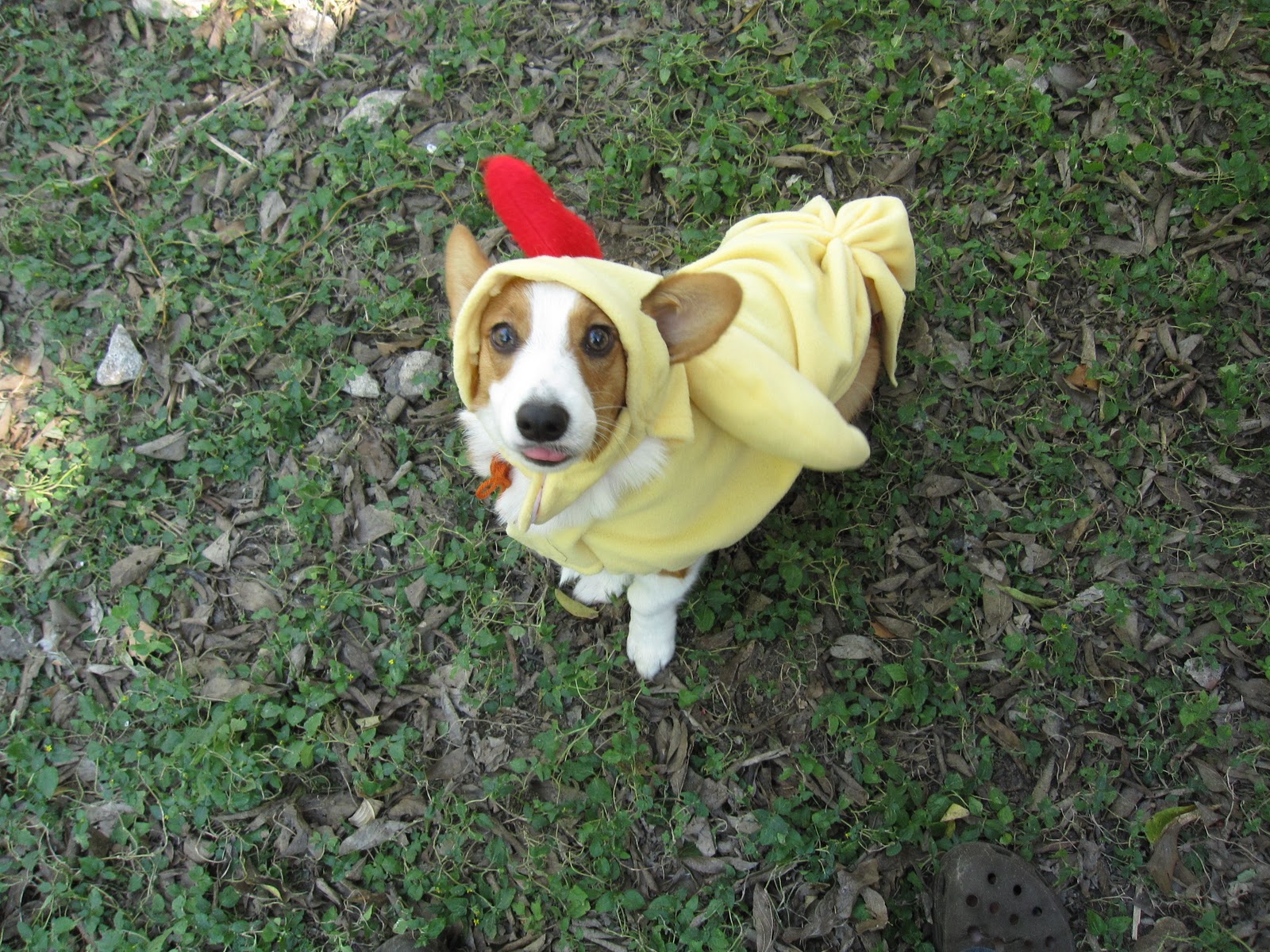
    I thoroughly enjoyed passing out high fructose corn syrup, pre-packaged cavity blobs to the neighborhood kids last night. Hey, if it were pc i'd make corn balls or pass out hard boiled eggs, but i'm sure they'd just be tossed out and considered 'poison' by the parents, so i join the rat race and purchase candy. Pocket enjoyed her chicken costume, though i couldn't keep the 'comb' hat on for most of the night.  There was much woofing of 'people at the door' warning, but it was good practice for her to see that she does not need to leap out the front door every time someone comes a calling.

    Pocket and Belina, two birds of a feather
    In the garden, things are a bit spooky too: no recent rain makes for difficult times in the germinating department. I have to water by hose (nasty, broken, too rigorous of spray hose) almost daily to keep the soil moist, my rain barrel is empty and clogged, and the tomatoes are covered with green fruit preventing me from tearing them out to make room for other veggies i want to put in. So, i stuff transplants around every nook and cranny i can to get them in on time:
    • Kohlrabi
    • Cauliflower
    • Broccoli
    • Kale
    • Herbs
    And keep stuffing seeds in the rest of the cracks hoping that they'll decide to germinate and get happy before it's too late:
    • Kale
    • Beets
    • Carrots
    • Broccoli Raab
    • Lettuces and Spinach
    I recently sold my plumeria plant, but if you have a potted plumeria in your yard, you may notice it dropping some leaves with the cooler temps at night. The rule (for Austin, at least) is "In at Halloween, out at Easter." Plumerias need to come inside to be dormant for Winter in our area - so bring that sucker inside now. You can leave it potted, or pull it out and store it bare root. I usually stuck mine in the bedroom closet. It's now far too big, thus my selling it before the dormant season. I miss those beautifully smelling flowers, but it's absence made room for healing calendula plants.

    Late Summer Garden

    I didn't plant pumpkins this year, i simply haven't the space. But now would be the time to harvest if you'd planted them in June/July. Did you plant pumpkins? Have any winners on your hands?

    Friday, October 1, 2010

    Time to Plant Garlic in Austin

    The moon is waning*. It's the first of October. Nights are cooling and days are shortening.
    It's time to plant the garlic.

    harvested garlic

    I saved several bulbs from my summer harvest and plan on planting them on Sunday with some homemade bone meal. I'll put most in my back bed, along with the multiplying onions, but stick a few somewhere in the front as well since that bed is not looking promising, sunny, or consistently watered/tended by me.

    You have most of the month to plant, but as we may be moving in the early summer i want to get them in as soon as possible and hope for a chance at harvesting them before we go.

    Elephant Garlic
    Little elephant garlic peeking out last fall.

    *Moon phase gardening is something new to me, and i have no idea if it's valid or just hocus pocus. The idea is that you plant veggies that grow below ground (carrots, potatoes, radishes, garlic) when the moon is waning and plants that grow above (tomatoes, kale, most everything else) when the moon is waxing. It's not always easy to remember this or get the timing with the season and rainfall right. I have a handy dandy moon phase calendar on this blog that i refer to often. Check it out and try your hand at moon phase gardening. It's worth a shot!

    Thursday, September 30, 2010

    What I'm Planting/ Pulling

    Some photos from around the gardens and an update on what's going in, on and out.
    My backyard has previously been home to a raucous husky and thus no gardens. My husband had a gourd arbor back there, fenced from the chickens and doggie. The doggie has sense past, the chickens still try and get in, and there's really not a whole heck of a lot of sun back there for veggies that can't climb up 9 feet. But i'm reclaiming it for my own and hope to grow at least some spindly food plants.
    Beet seedling - victim of cutworm or snail.

    6 pack of Green Comet Broccolis surrounded by a row of Early Wonder Beets and side dressed with compost


    In the front yard i've pulled out a ton of lemon basil spreading its seed all over the place and just generally tidied things up a bit. Some cucumbers i planted mid season are producing now and lots of volunteer seedlings are springing up. I've started putting in seeds and transplants of the veggies i want to grow for winter adn will continue to pull as things die and plant new winter veggies as the season progresses. I will do my best to stuff as much plant matter into this little space as i can - if the snails leave it alone.


    I may just get kale to grow from seed this year! Spring's attempt was thwarted repeatedly by snails.

    I tried cabbage last year with the same end. I eat a LOT of cabbage and was really hoping to grow some of my own. The snails have other plans.

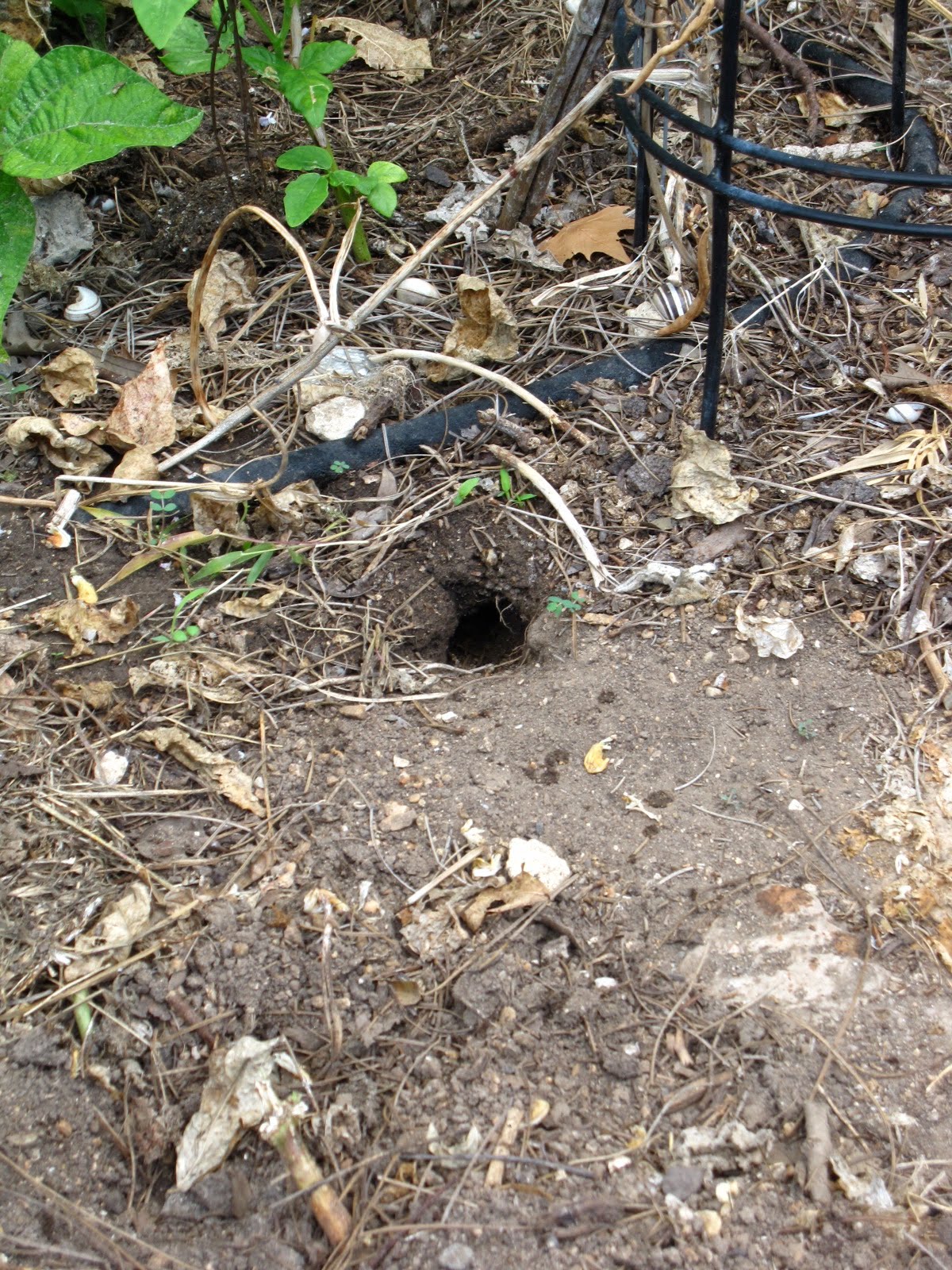
    The curse of the cayenne has been lifted!

    Volunteer leafy lettuce and dill baby

    Tuscan kale from a seed i saved

    Baby calendulas - destined for craft and soap making

    The Dallas Red Lantana is just so pretty. I plan on propagating cuttings soon in tandem with pruning time

    So that's what's going on over here. My to do list includes more soil amending, weed pulling and spot watering along with harvesting what comes along and successively planting as many seeds and transplants as i can stuff into this little space. On the docket:
    • Beets - Early Wonder and a baggie of mixed varieties
    • Carrots - i chose little round ones this season
    • Cauliflower and Broccoli via transplants - hoping to find Packman and Gypsy varieties
    • Kale from seed and later from transplants if i can find them/ if my seeds fail again
    • Lettuce and spinach - volunteer and planted all throughout the winter
    • Garlic from saved bulbs in the next few weeks
    • Separating and replanting multiplying onions to new bed in back that does not seem very happy at all
    • Thinning cilantro and dill seedlings as they inevitably present themselves
    • Prune shrubby perennials and start some cuttings
    • Wildflower seeds now - Thanksgiving
    I may also pot up some of my pepper plants to get them through the winter. I tried covering last year and just made a mess of things. This year frost victims will simply make way for new seasonal crops.

    What's in your garden tote this season?

    This post found at Simple Lives Thursdays.

    Thursday, September 2, 2010

    Winter Garden Approacheth

    Yep. It's currently Sunday, 3 pm, i am soaked. In sweat.
    Actually, i DID take a shower - but you get the picture: i still choose silly times to do my gardening. Front bed is all cleared out: purple hulled peas clipped and tilled in with some kelp meal added and toad holes (with large toads clearly present) successfully avoided. I'l add some more compost and start putting in kale and broccoli transplants and seeds in the next few weeks. The fall peppers i planted on July 23rd are happy and putting on fruits. The fall tomatoes i planted are barely larger than they were to start with, but at least one of them is flowering and the layered tomato branch turned new bush is also flowering happily. Hot peppers are in full swing and the little eggplant i put in along with the fall peppers has one cute little fruit on it. It's about time to make pesto number 4, the days MIGHT be showing signs of cooling off, and it's once again time for action out in teh veggie gardens.


    See the little toad face?

    On deck for Fall/Winter 2010/11:

    Calendula
    Cabbage
    Cauliflower
    Broccoli
    Kale
    Lettuce/spinach
    Beets
    Swiss Chard
    Fava Beans for cover crop in back
    Garlic

    But i could really stand to wait a few hours, or get started a little earlier ;)

    Thursday, August 19, 2010

    Identifying Butterflies

    Firstly - can i just say that i really hate it when i don't take a picture of something really awesome and regret it later? I hate that. There, i said it.

    A few weeks ago my sunflowers were COVERED in caterpillars. Grossly covered. I'm talking more than you can count PER LEAF. It was nasty. But i left the wormies alone, as they were only eating the sunflowers - which are only in my yard to feed birds and bugs anyway. We pulled out most of the sunflowers recently, and most of those caterpillars were gone. i had noticed one chrysallis on my tomato stake, but no others.

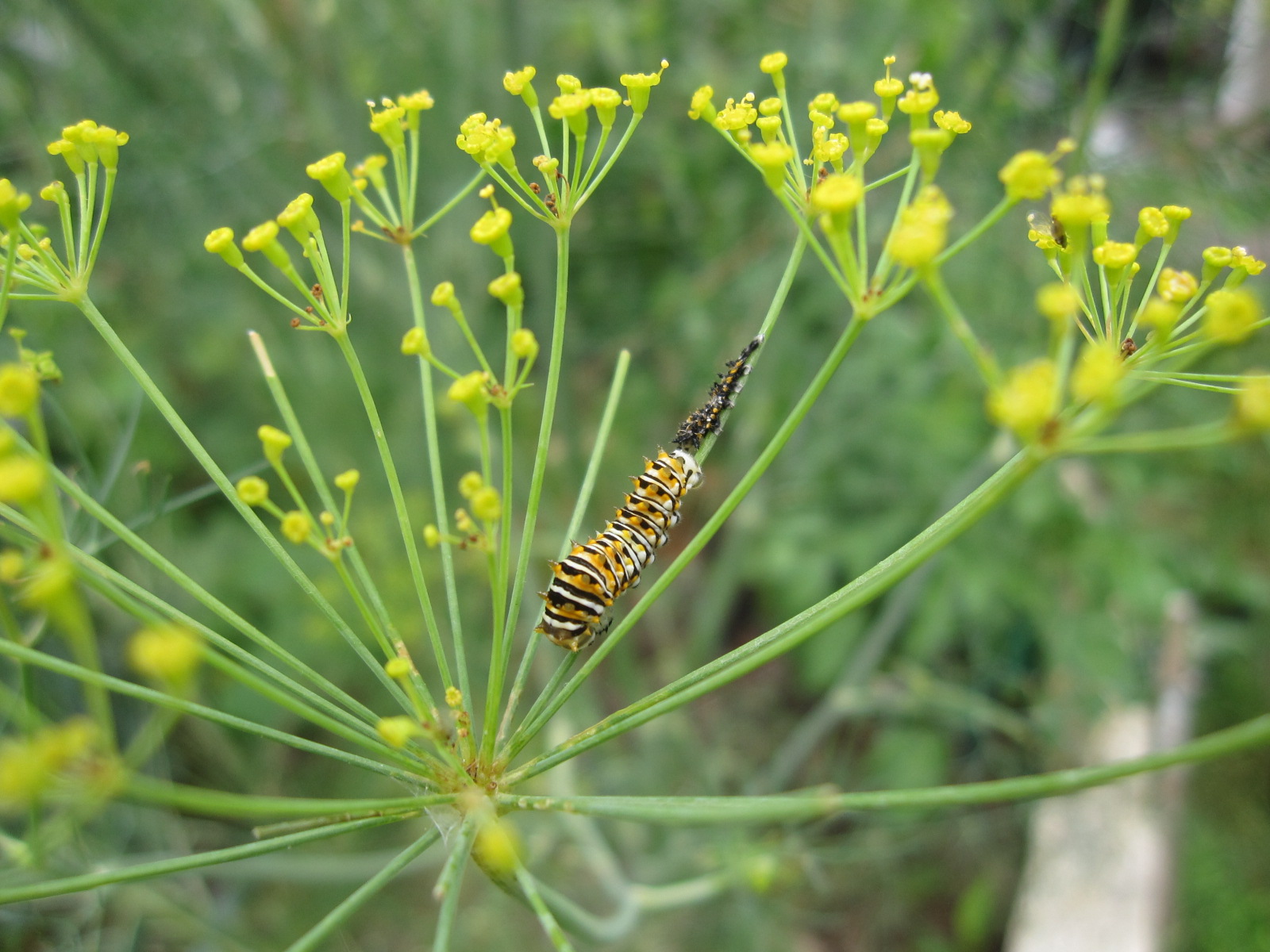
    Black Swallowtail caterpillar chomping on some dill. Above: A caterpillar emerges from its previous instar.
    Now? My yard is full of butterflies! Little ones - dainty little black and orange butterflies. I was having a devil of a time IDing them as they rarely hold still - but one politely 'retired' right on a tomato leaf where i plucked it up and pinned it to my wall, along with 2 other specimens i've found in the yard. I did some online pondering and found this: Closyne lacinia adjutrix, Bordered Patch Butterfly.


    Here's my little Bordered Patch, isn't she (he?) a cutey. Setting along side a Western Gulf Fritilly and the very common to my yard especially, Black Swallowtail (they're the pretty caterpillars that decimate my dill every Spring/Summer - pictured above).


    The Bordered Patch caterpillars were black, not fuzzy so much as spiny looking, slender and gross. The butterfly is much prettier. Another caterpillar i noticed about the sunflowers and garden was what i think is a 'saltmarsh caterpillar.' They grow up to be big white nasty moths - so i haven't seen any of those to sing about. It's great to learn all the different life cycles of butterflies and moths, so that you can make an educated decision about the fate of certain potentially nasty caterpillars that may be chomping down on your crops. Some are definitely worth leaving alone! At least in moderation - or at least in an area of the garden with 'extras' planted just for them.

    Do you have a favorite garden insect?