Friday, April 29, 2011

Friday Fantasy: Automatic Watering

I posted some water management tips over at the Yard Farm blog the other day, including the recommendation to automate ones watering schedule. I have even been offered to have said system installed by Yard Farm's lovely entrepreneur and gardener extraordinaire, Zach Herigodt. I didn't want the yard all dug up while listing the house, however - and now the fact that we're moving in 2 months (most likely) prevents me from delving into a big project that i'll just be leaving behind.

Onions blooming and falling over, butter lettuce bolting before harvest and peppers very confused.
 The garden suffers.

Letting the Freckles Romain go to seed for saving.
This is one massive drought, and a timer hooked to water to all my gardens at once, with drip lines that are closer together would really help the garden out. As it is, i barely have time to water one garden once a day, much less all three plus the way-too-well draining planters in the front. Serious bolting, seriously bitter lettuce, seriously stunted peppers.

I have worked a few installs with Yard Farm and have gotten some experience with PVC cutting and connecting, so i think i'll be able to do the work for myself in the future. I'll need to rent a trencher, buy some weird pvc glue/poison, and invest in a pvc cutting tool. The drip lines aren't cheap, neither are their connectors or the timer - but i think i know enough about how to install the system that i'll be able to do it myself, saving on the labor to pay a crew to do it for me. (If only i could get Zach's crew to come out to Oregon with me, oh well).  For now, i'll go back to praying for rain and watering whenever i can. The rain barrel is officially empty and i continue to wish that i'd bought a nicer watering wand years ago. Off i go to turn off the drip system and spray about with my thumb at the end of the hose before i head to the gym. It's not the best system, but it's all i have the time for today.

The up side: I got a few peas to eat, and will be saving these heirloom pea seeds for planting at our next homestead.
Rain Rain come and play!!!!

Thursday, April 28, 2011

Book Review and a Book Giveaway!

I have been the happy recipient of some really great books lately. Skyhorse Publishing sent me one of their latest books: The Joy of Hobby Farming by Michael and Audrey Levatino, my husband got me My Bread by Jim Lahey for my birthday, and Newman Communications sent me the whimsical and somewhat educational book Fart Without Fear.  The bread book will have to wait for me to delve into its recipes until we're in homestead number two and i can get my hands on a used heavyweight pot, but i quickly consumed the hobby farming book and have this review to offer. Stay tuned to the end of this post for your chance to win a copy of Fart Without Fear- a great coffee table/ cook book for the budding chef, or anyone willing to laugh while they cook.


From the beginning to the end, The Joy of Hobby Farming struck a chord and had my full attention. It's not just a coffee table book with pretty pictures and cursury summaries of various livestock or crops. TJOHF has some really useful information between its covers, as well as pretty pictures. I think my favorite parts of the book were the 2nd and 3rd chapters which addressed the basics of searching for your farm, choosing the location, pouncing on the right property, and what to invest in/ how to establish your own hobby farm. By the way, when we speak of hobby farming, we're talking about living sustainably, turning perhaps a small profit, and farming more for the pleasure than for subsistence. A hobby farmer has another means of income. A hobby farmer is less in debt to the weather and trends, but rather can roll with the punches and just enjoy the act of farming, while enjoying the fruits of their labor and perhaps some extra income from time to time.

This is exactly what we want to accomplish. We want to feed ourselves and we'd like a little extra. We'd like to take our time, earn most of our money elsewhere and enjoy a life in the country. I think this book has helped me gain a better perspective on what we're up against. The Joy of Hobby Farming also addresses some business information with recommendations on how to run a farmers market stand, build a pond, even how to pay your taxes properly.

There are also brief chapters on raising various livestock and growing vegetable and flower gardens. I found these sections less helpful. For one: the authors are vegetarians and raise their animals for companionship and compost. I personally don't really see the point of this: if i'm going to have a flock of chickens, i'd like it to propagate itself and feed me some meat along with the delicious eggs. I think that living sustainably includes utilizing every part of my livestock, including their meat, bones, and hides. My cute goat babies will be destined as future milkers, sales, or dinner. I plan on utilizing every edible thing on our farm, including the animals, and not just for their glorious composting poo. I'll certainly enjoy the compost my critters give me, but i'll be enjoying their meat and milk as well. I have respect for the authors' decision, but it's not for me.  The chapters on vegetables were decent, but didn't tell me much i didn't already know. That being said, they'd be good reads for folks with a bit less experience.

Overall, i highly enjoyed this book and would recommend it to my friends and readers. At $14.95 it's not the cheapest read, but not the spendiest either. More than just a coffee table book, The Joy of Hobby Farming is chock full of great info and advice, and even some cute photos of a certain short tailed/legged pet of the authors' (yes, i love corgis).

And now, for the GIVEAWAY!   I'm happy to pass along my copy of Fart Without Fear to one lucky reader.
Fart Without Fear: Comfort Food for Uncomfortable Times is the world’s first laugh-out-loud, instantly useable, self-improvement comfort food cookbook. Find out what uptight politically correct chefs, nutritionists and scientists have known for years but haven’t told you. Think fried chicken, macaroni and cheese, meatloaf, and Boston baked beans; this cookbook for everyone includes more than 70 low- to no-odor producing comfort food recipes. Complete with a unique rating system, favorite recipes, special menus, and fun facts, Fart Without Fear will show you how to eliminate odors but not the flatulence caused by your family favorites - all without sacrificing the flavor, joy and fun they evoke.
As i mentioned before, this book DOES make a great coffee table book, but also has some really good recipes and science inside. The writing is whimsical and humorous. The beginning of the book is all about why food gives us unpleasant gas, and how you can change up certain recipes to be less, um, fragrant, shall we say?  There are natural emissions, and there are noxious fumes - this book helps you prepare your recipes deliciously while avoiding the latter result.

Rules: To enter this giveaway simply comment below with your favorite bean dish. I'm looking to expand my bean repertoire, and would love to hear your favorites.
For a bonus entry maybe tell us an embarrassing story about some poorly timed 'body emissions'? No pressure, but we'd love the laugh.

Hey, everybody poops, right? Well, everybody farts too! Comment below to get your hands on this silly book. Residents of the USA only, please. Be sure to provide contact info in your profile or comment so that i can find you when i choose the winner. Winner will be chosen the evening of Friday the 13th of May.

Wednesday, April 27, 2011

Wednesday Wow

Last night we just missed a big ole' storm. It travelled across our neighborhood to the south and formed this amazing cloud. It was fun to see the entire neighborhood out on their porches, looking to the sky at this amazing cloud formation. As the sun set, the nuclear-looking plume turned bright orange to pink with lightening buzzing about inside.


Pretty amazing. We sure could have used some rain, but I think we might be glad we missed this big guy. Thank goodness for cooler temps this morning. I might actually be able to do some work in the greenhouse without asphyxiating.

Tuesday, April 26, 2011

Tuesday Triumph


The giant pile of dishes was received with patience, commitment and bravery. It was no match for my husband, aka "The Dish Faery."


Way to go, honey. You make a gardener/chef proud! I couldn't do it without you to clean up after me :)

Monday, April 25, 2011

So Long, Soot

This weekend saw a change in our flock: Soot has gone to a new home.

Soot with my other market goodies: she was not at all sure what was going on and had plenty to say about it.

We continue to debate about bringing any of our hens with us on our voyage west. I think we've decided that Belina is coming with us. Belina is our big, puffy, personable Buff Orpington who is the subject of a childrens book i'm writing. She's just too sweet and too easily harassed to be left behind. She's also the reason Soot was the first to go. Soot was our favorite pullet: beautiful, full of things to say (she makes the sweetest little sounds) and an excellent layer. She's also what we liked to call "the enforcer." She's in charge of alerting about danger, and ruling hte roost. Poor Belina was looking really great while Soot was molting and feeling like poo - and as soon as she was back to feeling herself, Belina was back to having bloody comb at most times and constantly chased about. Soot is a great hen, and she'll be great for our friend Robin who has 6 other hens that will be sure to put "Queen Soot" in her place.


I'm betting that Soot is none too happy right now, being the new girl in an established flock. I'm sure she's getting her share of well placed pecks and comb lacerations, but all is peaceful and serene back at the homestead flock. Three hens are left, and other than a little increase skittishness caused by the lack of their previous leader, all is well for our remaining hens. Belina is standing up a little more proudly. Olive is finding her voice, and BB (the quiet mob boss) is finding her way into the role of head hen.

Why am i in this cage, mom? Will Robin hug me every day like dad does??

BB will be next to go, hopefully to a flock of Chanteclers. Her breed is endangered and i'd love her to assist in propagating it. She's frequently broody and would make a great hen for someone looking to re-establish this rare, heritage breed. We might also leave BB and Olive here for the next owners, but I hate to risk their lives to new chicken owners who might forget to lock them up at night. We have some time to make our decision. For now, i'm enjoying watching the peace and camaraderie.

Have you ever moved (long distance) with hens? Do you have any advice?
This post is pat of the Simple Lives Thursday blog hop - check it out!

Sunday, April 24, 2011

Happy Easter

Blooming cacti and squash greet me this cloudy Easter morning.


On to dye some fresh eggs with beets picked from the garden this morning. I'll boil the eggs with the beets and vinegar in the water and hope for color fastness, then have beets for lunch!


The beet greens went to the crock to ferment into pickles: the perfect accompaniment to summer grilling.
Have a lovely holiday, everyone. Are you dying eggs this year? Where did you source your eggs, and what are you dying them with?

Friday, April 22, 2011

Happy Earth Day

Happy Earth Day, everyone. This holiday doesn't stand out a ton for me, as i try to live sustainably and sensitive to the planet's finite resources every day - but it's a good opportunity to educate those who aren't as active in conservation or aware of the simple steps everyone can take to make this planet we all share a better place.

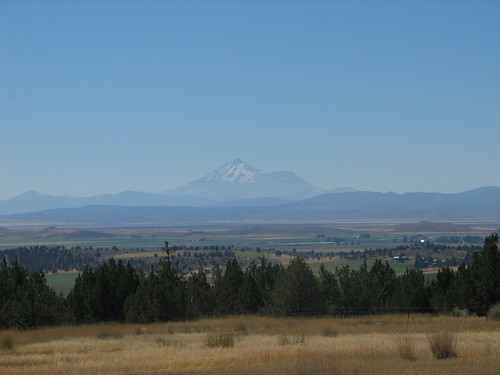
My childhood front yard.

I grew up in rural southern Oregon, where "environmentalist" was a dirty word and i was treated with some disdain by students and teachers alike. My passion for the environment and its inhabitants was seen as a threat to their livelihoods. The bumper sticker "save a logger, eat an owl" (in reference to the endangered Spotted Owl) was not uncommon and many an argument was ended with me sniffling in frustration at the hard hardheadedness of my fellow Merrillites. Since then, i have become very hesitant to debate about my passions. I have a hard time verbalizing my thoughts quickly and concisely and thus avoid heated conversations. I try to teach by example, though and i hope that this blog can touch a few lives and encourage more people to take the little steps, as well as some big ones to live in a manner that is sustainable.

Our little planet has finite resources and is habitat to many, not just us human animals. Please respect all life. Please allow all life to have the same access to essential resources. Please use only what you need. Please leave the spaces you pass through cleaner and more full of life than when you first entered them. Please observe Earth Day every day, because despite my love of Star Trek: this is the only planet we have and when we use it up it's not just 'the other guys' who will be out of a home. We're all in this together, across country lines, religious boundaries, continents, and across all species from algea to elephant seals. We need each other, we all fill roles in our niches, and it's important to fill those rolls positively and allow others to do the same.

Fungi in Davy Crockett National Forest

Will you be taking any extra steps towards environmental nurturing on this Earth Day?

Thursday, April 21, 2011

Southern Pest Spotlight: Chinch Bugs

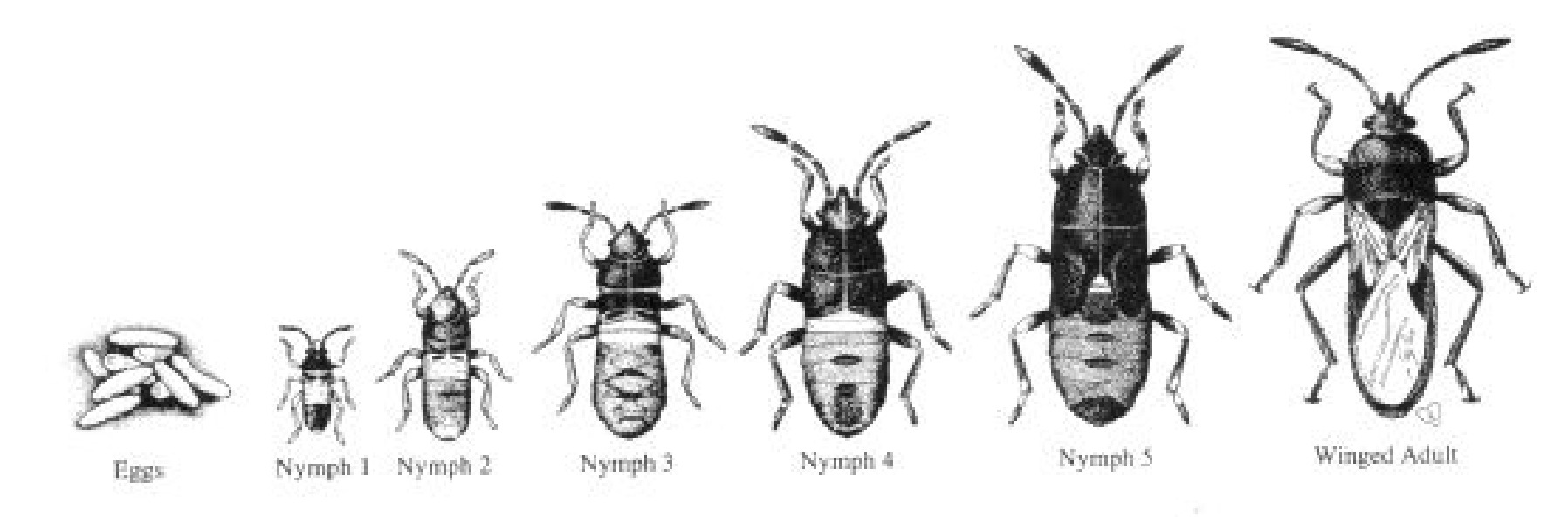
Have you noticed large areas of yellowing and dying grass in your lawn? Do the areas seem to be spreading and getting larger? Your lawn may be suffering from brown patch, but chinch bugs may also be the culprit. Chinch bugs are most damaging to St. Augustine grass, but can be found in other types of lawns. Our early, record breaking, rain lacking heat wave is the perfect breeding ground for all kinds of pests, especially the chinch bugs. Here's a little about chinch bugs:
Chinch bugs overwinter as adults in various protected areas, particularly among weeds and grasses near fields. Adults emerge in the spring and deposit eggs singly behind the leaf sheath or in the soil at the base of the small grain crop plant. In a few days, the eggs hatch and the nymphs begin feeding on all parts of the host plant from the roots to the uppermost leaves. The nymphs undergo six developmental stages, the last being the adult stage. Two to three generations occur per year, the later generations migrating to corn and sorghum when small grain crops become dry.

The chinch bug pierces the plant with its moth parts and sucks out the plant sap. This feeding prevents normal growth and results in dwarfing, lodging, and yield reduction. Severe infestations during early development may cause plants to wilt and die prematurely. Most injury is caused by the six nymphal instars.

- Oklahoma State University
According to The Texas Ag Extension Office the symptoms of chinch bug damage differ from brown patch symptoms which usually occur in a circular or semi-circular pattern. Chinch bug feeding causes irregular-shaped areas of dead and dying grass. Chinch bug damage also can be difficult to distinguish from that caused by drought. Detection of significant numbers of the insects themselves is the best proof that chinch bugs are the cause of the damage. The Natural Gardener is happy to take plugs of soil dug from your yard to ID with their fancy microscope. They recommend digging a square foot or so of soil from the border of one of the patches: include soil from the dying and the healthy areas of your yard. But once you ID the nasty little buggers - what is there to do about it?

Controlling chinch bugs starts with prevention. Aerate your lawn regularly and don't allow a thick bed of thatch to build up, providing perfect habitat for the eggs and adult bugs alike. Mowing properly helps to reduce thatch as well - by 'mowing high' or only cutting off 40% at most of the grass blades, you'll be placing less green matter back on the lawn to turn into thick thatch. Mulching mowers are also a fantastic option. Don't over fertilize your lawn. Over-application of fertilizer also contributes to thatch formation and makes lawns more attractive as a food source for chinch bugs. Chinch bugs thrive in heat stressed lawns, so remember to water your lawn appropriately and consider top dressing with compost in the early spring to help with water management and overall health.

If you can't prevent chinch bugs, you'll have to control them. There are natural and organic methods including promoting diverse and organic habitat for beneficial insects including big eye bugs, assassin bugs and ants. Consider insecticides as a last resort, as they will devastate the populations of these beneficial insects.

For a very thorough explanation of chemical control of chinch bugs, please visit the Texas Agricultural Extension's page on the subject. Pesticides should never be used without taking safety precautions and being absolutely sure that the pest your treating is the pest that is damaging your lawn. Knowledge is power!


Have you seen chinch bug damage in you rlawn? What do you plan to do about it?

This post is also found at Yard Farm Austin.

Wednesday, April 20, 2011

Wholesome Wednesdays: Water

I posted yesterday about water conservation and proper watering methods - but it's also important to remember how vital water is to our own bodies. We're made out of water and need to replenish that source frequently to maintain top health and wellness. It's easy to forget to drink enough water if it's cold outside or you're drinking 'other' things.... but here are some tips on how to stay hydrated all day, every day and why you should do so.


Carry a reusable water bottle with you and keep it with you. By "a" water bottle, i mean in my case about 7. I have 3 in my car right now and when i worked a desk job had one in my corner at all times. Have one for the gym, another for work, another for home - or just use glasses. You can use just one, but if you forget it at home, you'll be sorry. I prefer the wide mouthed varieties to facilitate the easy loading of ice. I love me some ice water. There's more risk of 'splash back' with the wide mouthed bottles, so consider buying a water bottle that has a narrower mouth, or a removable top that has a smaller drink from area. You're not going to use a water bottle that you're afraid of, so find the right one for you. But please please PLEASE don't just buy case after case of disposable bottles. Even the 'eco friendly' ones are devastating to the planet (it's not just the plastic that ends up in the land fill after you throw it away, it's the fumes put out when the plastic was made, the plastic that wrapped the cartons, the cardboard cartons, the fossil fuels used to ship the cartons... you get the idea). I love the camel back bottles with the straw thingy you bite and suck from - so awesome at the gym during BodyStep class!

Make your water appealing.  For me, that means ice. Ice makes water delicious, in my opinion. Tepid water is not my idea of 'must drink.' For others that may mean Crystal Light, EmergenC, sliced cucumber or fresh herbs. Natural is better - crystal light is tasty, but has the same 'i'm a diet drink but still give you a belly because your body thinks it's ingesting calories' problems that soda has, plus the ingredient list is a little scary. Fresh, organically grown herbs are delicious and can improve your health and mood depending on which herbs you choose and cucumbers are a miraculous diet food. Whatever you do, make your water something you'll want to and will drink. It doesn't do you any good sitting in a bottle on your desk.

Drink Enough. 8-10 glasses a day? What does that really look like, and is that really enough? I go through 1-2 32 oz bottles of water during body step, but might only drink another during the day. Not enough. Keep that bottle filled and sip all day. Sure, you'll make more trips to the restroom, but think of all those toxins you're clearing out! Depending on your activity levels and how much you're sweating during the day, your body can really use a lot of water. Get enough water by starting early: before the coffee or breakfast, chug a glass of water upon waking. (It'll get things moving easier, too). Keep water on hand all day and drink before you snack, you'll snack less. Keep the hydration through the evening: imbibing? You'll feel better if you drink a glass of water along with that cocktail or glass of wine. (trust me, i know). Finally, keep a glass alongside your bed at night. I often wake with a massive thirst at about 1 am, it's nice to not have to walk across the house to the fridge to quench my thirst.

And why is water so hot anyway?
  • Kidneys need water to be filter waste
  • Want lovely skin? Drink water.
  • Want regular and enjoyable bowel movements? Drink water.
  • Want your muscles to work well and be less sore after exercise? Wash out the lactic acid with some water.
  • Water boosts energy and brain function - that brain is made out of a lot of water too and needs to stay hydrated to think properly
Don't wait until you feel thirsty to drink water - thirst indicates that you're already dehydrated! Don't overdo water though - if you're drinking massive amounts of water as well as sweating a ton, be sure and replace your electrolytes or salt intake.

Water, it does a body good. 

Tuesday, April 19, 2011

Water Wisely

If you haven't noticed, it hasn't rained in Austin in a very long time. I'm talking a real, long, soaking rain that would quench the thirst of a tree - not just a spritz suitable for seedlings alone. No rain means that the gardener has to be responsible for watering his/her garden. Especially on these unseasonably hot hot hot days/nights, water at the right time in the right amounts is the key to keeping your crops alive now and through the Summer. Water conservation is also important- water is always in limited supply, especially during a drought. Irrigating lawns is obviously a bad idea, but watering your crops improperly is just as irresponsible. Here are a few tips on how to water your garden in the most efficient way with the most benefit to your crops.

Water Deeply: A brief and shallow watering is great for newly planted seeds or tiny seedlings, but once your plants' roots are really developing they need deep, infrequent waterings. By watering deeply and less often, your plants will be encouraged to send long tap roots out into the soil and mine it for water and nutrients. A larger, healthier root system is the key to a large, healthy plant that can bear lots of delicious fruit. Shallow waterings can pass during cooler months, but once the hot Summer hits, any plants that are used to shallow, frequent waterings will dry out quickly and suffer from heat stress. Penetrating the soil with water also conserves water. Shallow waterings dry out quickly in the sun and wind, but water deep in the soil will remain much longer to quench the thirst of your veggies and other plants. Those deep, established tap roots will be able to suck up water hiding down in the soil, allowing you to water much less often and conserve the most water.

Keep it off the Leaves: Water is essential to the life of all things, but it can also be a disease spreader. Cucurbits and other plants are particularly susceptible to powdery mildew and other diseases caused by too much water on the foliage. By using drip or soaking irrigation, you can keep the water at the roots where it's needed and off of leaves where it can attract pests, spread disease, and even burn the foliage by magnifying the sun.

Automate: As we mentioned in our 'top ten tips' post, automating your irrigation system can be a real life saver. A good timer costs around $38, but will save you lots of pain, suffering, and accidentally high water bills. No more 'woops i left the sprinkler on for 5 hours' or 'my neighbor forgot to water the tomatoes while i was gone and now my prize winners are shrivelled and dead.' A timer hooked up to a trenched irrigation system can get all your watering done for you at one time with little thought needed from you. Once you've set the time and the watering schedule you'll only have a few things to do to keep things running smoothly: Remember to turn the timer off if you're in a rainy season and to adjust the frequency of the waterings depending on the seasons. Flush the system occasionally to rid the drip hoses of any built up debris (this is usually as easy as removing connection at the end of the hose and allowing the water to flow through for several minutes). Check for leaks or other damage every few weeks.


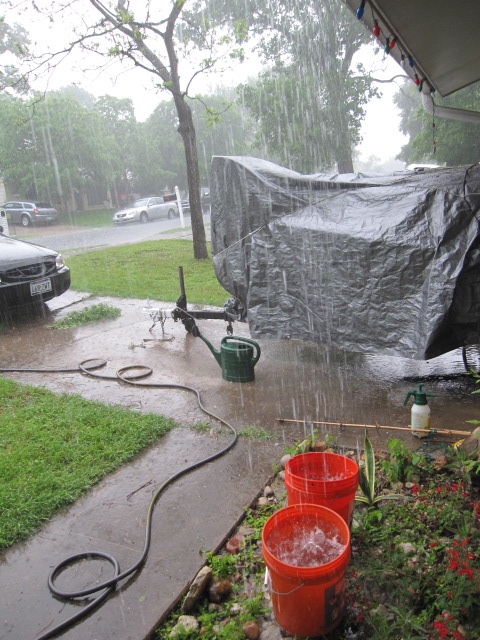
When it rains, it sometimes pours. April 17th 2010 - wish we could have some of that rain in 2011!


Capture the Rain: Vegetables and most plants prefer rain to our city's lovely treated water (chloromine does not evaporate like chlorine does, and it's none too good for the health of vegetables.) I try to use rain water as often as possible when watering my own gardens, but am limited to one rain barrel and a very dry Spring. The City does offer a rebate for utility customers who invest in rain barrels, so take advantage of that if you can. Rain barrels can be very expensive, but they can also be close to free: find any food grade barrel, fit it with a spigot near the bottom and a screened lid and you've got yourself a rain barrel! Pickle barrels are great, but be sure to know exactly what was in the barrels you get - you don't want something that once held crude oil or toxic chemicals that will leach into your water. Ideally a series of rainbarrels is the best- connect several together with hoses near the top of the barrel and spigots at the bottom of each. (Well placed buckets are good for those sudden deluges we tend to get). I've been lucky in some seasons to water my vegetables with ONLY rain water: and it made a huge difference in the health of the plants and the quality of the harvest. It does take much longer to water an entire garden by hand, picture lots and lots of walking back and forth with the watering can, but if you have the time it's a great workout and excellent for the health of your plants.

Proper watering can make a real difference in the yield of your harvests. Seedlings that are left to dry out too many times may never mature into healthy plants, jalapenos that are kept overly moist at all times will never get prize winnning heat, and cucumbers gone dry will become bitter and repulsively inedible. Find the balance, find a system that works with your lifestyle, pay attention to the weather and enjoy the fruits of your labor! Contact us if you'd like a new irrigation system installed: affordable, underground, timer equipped!

Monday, April 18, 2011

Chicken Enthusiasts! C'mon and Get Funky!

That's right, it's that time of year again. It's time for Austin's annual Funky Chicken Coop Tour - the greatest day of the year! Folks from all over Austin come out to wander through their neighbors' back yards and take a gander at the coops and runs they've constructed for their backyard flock. There's always something unique, silly, exciting, inspiring or just plain odd to be seen. Don't miss this year's tour. For all the details visit their blog.


We're not on the tour, but we may come out to see some of our fellow Austinites' creations. I'm pretty satisfied with our chicken tractor and plan on building something similar for our Oregon chickens - but it might be nice to have a stationary house and run to protect them from the wet valley weather.
Go on out and have fun! Feel free to post pictures in the comment section of this post if you go and see anything note worthy!

Friday, April 15, 2011

Friday Fantasy: Projects!

I must admit, I'm finally starting to get really excited about our move. Still terrified. Still uncertain where to land or what to do for income, but definitely getting excited for a change in scenery, routine and lifestyle. One of the reasons we're moving in the first place is to get started getting started. Although we don't plan on having children (at least any time soon) my husband and I are both getting anxious to start expanding our family and homestead. We have many goals, many projects in mind, and many dreams waiting to come true. They will all require hard work, focus, determination, and most importantly they all require that we are located where we want to be: our forever homestead. We may have to settle for a stepping stone for a few months or even years, but our ultimate goal is to rent for a few months to have time to look around, get our bearings and get employment - then pounce on the perfect farm or large lot residential property (appropriately zoned to bear livestock) and start our forever dream in becoming our reality.

Late 2007 - Many hours of digging and pulling bermuda grass and planting tiny little herbs that now tower over my little black car.
 Dreaming is great. Repeatedly saying "when we get there" or "in a few years" or "when we have more land" is fine. But it's really really dissatisfying. Austin has been great. Being close to old and new friends and family has been great. Being limited by a suburban yard was great at first and is now just darned frustrating. I will greatly miss the patch of land i've converted from average to outstanding, lifeless to ecologically diverse - but i'm so excited to start from square one again and go through all the struggles and hardships once again and be able to sit back in 4 years and pat myself and my husband on our backs in pride. It's going to be tough going, but the difficulty only makes it more satisfying. Hard work is hard and feels great, gardening is a never ending task, and animal husbandry is a lifelong learning experience. I'm ready for the future plans to be the present!

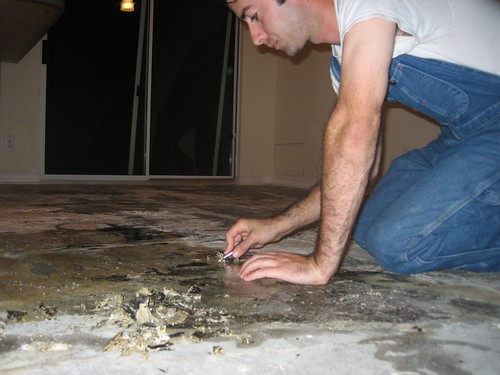
Pulling up nasty linoleum and carpet is not fun.
Admiring and sometimes break dancing on your newly laid-by-you bamboo floor is.

For today's Friday fantasy i'm going to make a bulleted list of some of the projects, large and small that are in our future. Some have a higher priority, some will be put off for a few years and some will be pounced upon as soon as the new keys are in my hands. Here goes:
  • Bees - for pollinating and eventually for honey
  • Goats - breeding Kinder goats from Nubian and Pygmy stock, or from established Kinders. Also seriously considering adding a Pygora wether to our flock... perhaps starting out with a pregnant Kinder and a Pygora whether: milk and fiber, the best of both worlds!
  • Ducks
  • Geese
  • Guineas
  • Chickens: I'd love to breed Wyandottes for rare colors
  • Cheese making - goat milk and cheese making go hand in hand! I might have to add a sheep to the flock on day, as sheep's milk cheese is soooo goooood
  • Farmer's Market - I already vend at some Austin markets with my soap. I'd like to expand the soap business as well as sell surplus veggies when we get them and cheese if i can figure out the permits required
  • Hootch: from beer to wine to hard spirits, i'd like to try my hand at providing us our guilty pleasures
  • Vinegar - what better and more healthful product can one make with the must leftover from wine making? I'd love to make all kinds of vinegars using different fruits on hand
  • Orchard - apples, pears, filberts, cherries - you name it!
  • Hops - hops are in high demand, a hop arbor is beautiful and perhaps one day lucrative
  • Mead - a combination of hootch and bees
  • All purpose herb beds - i dream of the day when i'll have large beds of herbs grouped by their functions: culinary, medicinal, first aid, cosmetic
  • Crop rotation - I think that i plan on building raised beds, drainage will be an issue in the valley and raised beds will help with that. By having my vegetable gardens in raised beds i can also start small and build on, adding a few new beds every year and allow the previous beds to lay fallow, host a chicken tractor for a season, get planted with a cover crop or plant with a different family of veggies. As the years go on I'll continue adding new beds until i feel we're sufficiently bedded... ha. Or i might just do traditional rows - this plan will depend largely on whatever property we find.
  • Living hedges - I read an amazing article a while back about planting certain shrubby, hardy, strong and nutritional hedges and honing them into living fence lines. Fascinating!
  • Spinning - I'd love to add alpacas to our farm one day, but they're super duper expensive. I might start with sheep, or i might start by purchasing raw wool from another local farmer. I'd love to learn to spin. The concept is just so other worldy and awesome - what cooler product to bring to market than home spun yarn?
  • Sewing: I already sew and make my own clothes on occasion, but i'd love to get even better at it.
  • Everything in it's place: and finally - the best goal is to have enough space, enough out buildings, well enough organized spaces to have workspace for each of us and each of our projects. A separate fridge for curing cheese (or a crawlspace), a separate sink area for soap making, a workshop for my husband and his allergy inducing gourds, housing for ducks, chickens and goats. Enough space for our tools, vehicles, feed storage and home goods. Preferably no sound of roads and no cars to threaten our short dog's life. Plenty of water storage, clothesline space, and pastures for rotating livestock. 
As you can see - i have a lot on my mind. Some of it will happen sooner than later, but these projects all wait for one thing: one heck of a big move.

Wish us luck, and as always thank you for reading with me, sharing with me your experiences and wisdom, and joining me on this wild ride!

-Miranda

This post is part of the barn hop!

Thursday, April 14, 2011

10 Tips for The New Garden (or Gardener)

This post is not so covertly stolen (borrowed) from local business Yard Farm Austin's blog, where I write various gardening and chicken advice. This post was mostly written by Yard Farm's owner, Zach Herigodt with a few edits by me. Zach moved here from Oregon..... I'm moving back TO Oregon.... I think we have a lot in common. I would highly recommend the services provided by Yard Farm to anyone looking to install some new beds, venture into the task of installing irrigation, or transforming a whole yard into an urban, suburban or even country farm. Zach offers 1/2 hour free consultation and so many services from raised bed construction, to in the ground edible landscaping, to weekly maintenance (from me, for now!). If you're in the market for a little help starting a new gardening adventure, give them a call.
In the meantime, enjoy these easy tips for making your garden like you a little more, and for you to enjoy your garden with less stress:


If you're a new gardener, planting a new garden, or just looking for some quick tips to remind you of a few garden priorities, this post is for you.

Take care of the soil and the rest is easy: The plants will feed you but you must feed them first. Plant roots need lots of room to grow. Digging the soil deep and amending it with lots of organic matter (compost) makes this much easier. Use high quality blends when bringing soil in or dig manure/ compost in deeply if using whats already in ground. A one time application of Texas Greensand is also helpful to enrich the soil with minerals and keep your crops green.


Raise the soil up: Raised beds provide lots of advantages: better drainage, easier maintenance, better amendment process, closer to you so less stooping, and increases distance form caliche, hardpan or clay. Lots of fun bed container materials exists, but mounding the soil will achieve same results without the materials expense.

Use high quality, locally grown/ appropriate plant starts or seeds: Do not trust what the big box stores sell you. The same plants are sold across the entire Southern US and they are not appropriate for all places. Also, they are treated with a variety of chemicals to delay flowering, increase green color, stunt growth or be able to sit in a truck for days with limited sunlight. Locally grown starts are readily available at high quality area nurseries and many information sources exist discussing the appropriate varieties for Austin or wherever you live.

Give yourself access: You should do everything you can to increase access to your garden and make being in it a comfortable experience. Large beds require awkward stooping or stepping on the soil, which increases soil compaction and reduces root growth. Plan so you can easily touch every part of your garden without having to be in awkward positions. Well place stepping stones are also helpful.

Sun, sun, sun: Gardens should go where the sun is. Vegetable plants need no less than 6 hours of full sun everyday. More is better. Observe your space and put it where it will be successful, which sometimes is not the most convenient place. That being said: sometimes a little shade can be your friend. Plant your veggies in full sun, but consider installing some shade cloth during the hotter months to increase yield. Shade cloth lets sun in at an amount that the plants can handle without limiting direct exposure.

Automate watering: Drip irrigation conserves water, delivers water right to the plants' roots, cuts weeding in half and keeps water off the leaves which reduces pest and disease problems. The use of this and a simple inexpensive timer eliminates leaving the water on all night or having your garden die because your neighbor forgot to water while you were on a July weekend getaway.

Give plants plenty of space: Plants, like humans, need space to grow. When leaves touch insects move around easier and some leaves block the sun from others. Summer plants especially can get huge, so leave lots of space for seasonal growth.

Mulch: Mulch can be any organic (or inorganic) material that is layed on the surface of the soil at the roots of plants. Anything from newspaper, plastic sheeting, hay or pinestraw can be used. Mulch reduces weeds, evaporation and keeps soil biologically active near the surface. It rocks. Use it.


Plant what you eat: While a bed full of exotic Thai and habanero peppers is pretty cool, and your ability to eat a Bulgarian carrot pepper will impress your friends, the more you plant what you like to eat, the more you will. It's simple.

Spend time in the garden: Observation is crucial for garden success. Pest infestations and weeds usually come on slowly and can be controlled if caught early. If a plant looks funny, something might be askew. Treating symptoms early will reduce their long-term effect. Plants don't need a lot of help, but 5 minutes weeding, pruning, harvesting, staking and interaction every other day makes a huge difference in overall success. It also reduces stress and is fun, so go get in the garden and see whats going on.

Wednesday, April 13, 2011

Wholesome Wednesdays: Conflicting Work Schedule!

Sigh, yes - i've been sadly lacking from my wholesome wednesdays posts the past few weeks... My excuse: weight lifting class at 9:15 and my work shirt at Baskin Robbins starting at 11. No time for writing, or at least not enough time to write anything educational or enlightening...  Many apologies.
Hopefully Wednesdays will be back to normal soon, or back to totally un-normal: serious movements on the home selling/ re locating front.... news to come later.

In place of something educational an enlightening - here's something pretty and cute from our recent kayaking trip on the Guadalupe River:

Pocket was an excellent first mate
I found and my husband caught (temporarily) this awesome map turtle babe

Tuesday, April 12, 2011

Her Recipe, My Kitchen

Thanks again to Susy at Chiot's Run to be a constant inspiration and source for delicious recipes! I made her 'all purpose roll dough' this sunday for some delicious 'cowboy' hamburgers: so delicious i ate two! This is very unlike me as i never EVER eat beef - but when you stuff homegrown jalapenos, garlic and onions, plenty of seasoning and little chunks of cheddar cheese into little patties of beef.... you have to eat them. Add some uncured bacon and garden fresh lettuce, and you have to eat two.

This roll recipe was super easy. I used my M.I.L.'s hand me down mixer with great delight, only needing to knead for a few more minutes. I almost had to have a crying fit as i left the rolls to perform their second rising on the front porch only to (thankfully) catch a glimpse of yellow tail feathers darting past my window: the across the street's stupid (and oft tied up illegally) golden retreiver was making her way with my rolls! Thank goodness i spotted her before any real damage was done - just some stunting of rising progress to two of the rolls. Phew!

I just realized that i took zero photos of my delicious rolls or burgers.... so you'll just have to visit Susy's page to drool over hers.
  • 1 cup milk or buttermilk 
  • 1/3 cup butter 
  • 1/4 cup sugar
  • 3/4 teaspoon salt
  • 2 beaten eggs
  • 4 1/4 -4 43/4 cups of flour - I only got about 3.5-4 cups of flour in there, and used a bit more than 1/4 cup of whole wheat in the mix
  • 1 packet of yeast  (2 1/4 tsp)
Combine the flour and yeast in the bowl of a mixer and gently mix together. Meanwhile heat the butter, milk, salt and sugar in a saucepan until butter just starts to melt. Add the milk mixture to the flour mixture and mix until combined. Mix on a high speed for 3 minutes. Slowly add as much flour as will be absorbed into the mix. Dough should be soft and sticky, but not so soft and sticky that you can't knead it. Knead for a few minutes, adding flour if necessary. Form into a ball and place in greased bowl to rise for 1 hour. When dough has doubled roll out onto the counter and cut into equal sized sections to meet your needs. Form roll balls and place on a cookie sheet or other pan to rise again for 45 minutes to an hour. Do not let the neighbor's dog eat them: she will get sick and you'll be pissed off.
Bake at 375 for 12-15 minutes depending on the size of your roll. Golden brown on the top does it!


I sent the leftovers to work with the hubs, but saved one for me. I feel a delicious breakfast egg and cheese sandwich in my future!

Monday, April 11, 2011

Happy First Birthday, Pocket!

It's not always all business around this homestead. Sometimes it's somebody's birthday!
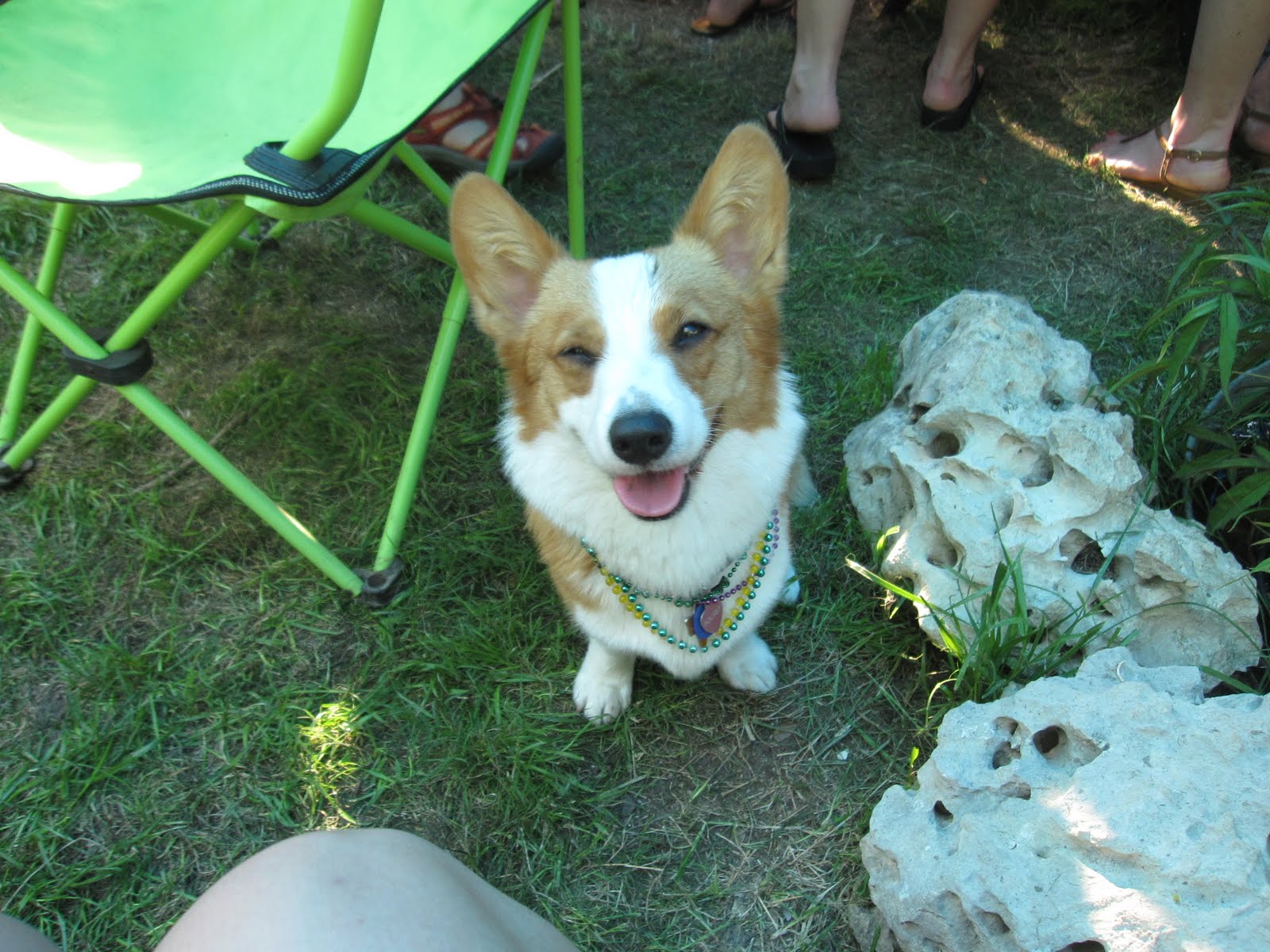
We are delighted every day by our little Pocket pup. I've fallen hard for the Pembroke Welsh Corgi, and quite honestly can't see myself with another breed any time soon. She's a versatile dog, willing to leap about on long hikes, swim and fetch for hours, or just snuggle between my husband and me on the couch. She's friendly with most dogs, but doesn't love playing with many. She loves all people, but stays close to us most of the time. I think she's just about perfect.

Lots of smiles for Mommy and for most people, really
Saturday was Pocket's first birthday, and we celebrated at a friend's crawfish boil. I think Pocket's a bit of a party animal....

Hitting Bourbon Street a little hard, Pocket?

She also has a tender side, with plenty of kisses for even the smallest of human party goers.


 Happy first, Pocket: may there by many, many more!

Friday, April 8, 2011

Friday Fantasy: 11 Acres

I got to meet our potential home buyers yesterday: so exciting! (And strange to have people wandering your house, that is soon to be not-your house) I'm of course over analyzing every thing i said thinking that i offended them, said something that sounds incriminating or stupid. I'm an overly honest person at all times, and say what's on my mind. Generally this honesty is a good thing, hopefully it is in this case as well. I always think that making a personal connection with people you're doing business with is key, but people who don't know you well may indeed take your 'isms' to mean something that they very much do not mean.

The young couple seems like a more stylish version of me and Andy, with similar interests and goals who would fit perfectly here and actually use the big room for their master instead of my messy art studio. I'm sure they would love this little house that i've put so much time and care into and taken so much joy from. I feel good knowing that i went through the unpleasant foundation repairs so that i can pass this home on to someone new with a solid slab and lifetime warranty. I'm sure my good neighbors will be good neighbors to the new couple as well, and i know the wild creatures will be glad to have their home tended to by caring individuals. I'm hoping that my poorly worded honesty wasn't misinterpreted as incriminating: (i tend to say really dumb things that make stuff sound worse than they are) this house is in great condition and ready to be lived in! Sigh.

Anyway, i found a really sweet listing somewhere in Oregon yesterday for an 11 acre mini farm (that's about 100 grand more than we can afford on our own). Instant love. They even have alpacas! My original goal had been to teach as an adjunct at my alma mader (sp?) Pacific University. But, alas, they have all the staff they need and will not be hiring me anytime soon. That leaves us in a bit of a dilemma.... not so much dilemma as a situation with too many options and possibilities. Rogue Valley? Willamette Valley? North, South, Central? Older stick home or newer manufactured home? My mother lives south, father central, and old friends north. The possibilities are too vast, and without solid careers that can be transferred via new jobs that give us some grounding, we're a bit at a loss as to where to start. We may be 'enjoying' a bohemian travel about sort of lifestyle for the next year until we find our niche - so wish us luck getting jobs, finding our nest, and scoring the perfect 11 acres to call our own.

And wish me luck on not alienating my potential home buyers too... foot in mouth disease runs rampant in my family. Let's hope it doesn't ruin my chances at finding the best couple for our great little homestead.

Thursday, April 7, 2011

Saturday Morning Goat Time

Some people may not be attracted to the idea of waking up at 6:30 am on a Saturday morning.
I can't say that i was overly thrilled about it either. haha.

That being said, it was lovely to wake before my hens for once, and even lovelier to get to hang out in the flesh with Heidi of Yellow Door Barn, and her super adorable baby goats!

Insert captions under most of these photos: baby goats are hard to photograph without blur!

Together with a few other local goat-interested volunteers, I learned from Heidi the basics of milking, bottle feeding and straining the milk, plus clean up procedures. It takes a while to milk a goat, let me tell you! But i was very proud to get some milk out on my first try, and really enjoyed the experience of resting against a warm goat while relieving her udders. I definitely think two or three goats (one is probably better for our first year!) needing milking in the same season is all we can handle, so it was a great learning experience.

Noah milking Dove
They milk twice a day and bottle feed the babies, verses the one milking a day/ take the babies away at night strategy i'd like to employ: screaming goats aren't ideal in an urban setting.
Straining the milk
And if there is ever a reason to wake up at 6 am: it's leaping, frollicking, bleating baby goats!


This post is part of the Simple Lives Thursday blog hop!

Monday, April 4, 2011

Guest Recipe: Fritatta


Fritatta. The word that cannot be spelled. It's a great weeknight, last minute or planned ahead dinner. If you have chickens, you should have fritatta. With so many variations possible, it's hard to write or follow a hard and fast recipe, but thanks to Some Kinda Chef for the inspiration for last Friday's version:
  • Locally caught wild Hog sausage
  • Kale and broccoli greens from my garden
  • 8 eggs from my hens
  • Splash raw milk from Stryk Dairy
  • Herbs from the garden 
  • Salt, pepper, smoked paprika
  • Habanero and cayenne, frozen and dried respectively from the garden
  • Garlic
  • Onions from the garden
  • Cheese

Some Kinda Chef recommended sauteeing bacon with the onions and garlic then transferring to a pie dish, layering in the following ingredients on top. I prefer to use the same saute pan for the baking, so i did things a little differently:
  1. Fry or sautee (whatever you want to call it) the sausage (or ham or bacon or whatever) with chopped onions, fresh herbs and garlic until the sausage is decently cooked and the onions are softening. 
  2. Meanwhile, beat the eggs with milk, salt, pepper, paprika and any other spices you want. 
  3. Top the meat and onions with chopped greens, reduce heat to mediumish and cover until the greens are wilted. 
  4. Pour egg mixture over the greens.
  5. Sprinkle the cheese on top and bake at 365ish for 25ish minutes, until eggs are puffy, cooked through and the cheese is browning.

I usually make a potato 'crust' at the bottom and so feared this dish wouldn't be that filling. Boy, howdy was i wrong! I got stuffed with less than half of this baby, and the hubby agreed: delicious!


Thanks to all my readers who submitted recipes to my call for recipes! I got some great ideas. Stay tuned for an extra special post tomorrow: i'm hosting a giveaway for a super duper product from Season's Gleanings, a card company that utilizes homegrown veggies to create beautiful artwork. As a tease, check out her blog then head back tomorrow to enter to win a set of cards!

This post is part of the Simple Lives Thursday blog hop!