Friday, April 30, 2010

Oatmeal/Chocolate Cookies Recipe

Gosh, i have been remiss in the recipe department lately! That is mostly due to the nature of what i've been eating lately: the last of the garden lettuce/spinach/fava beans in big, delicious, balanced dinner salads every night. People look at my funny when i say i eat salad for dinner - as the main course. They clearly have not had one of my salads. They're as big as my head and leave me full and satisfied until morning and usually have a pretty decent amount of protein in the form of nuts, seeds, beans and corn, or fish/chicken.

Anyhoo - last night i whipped together some delicious tilapia and sweet potato oven fries, but as with most last minute dinners i just threw togehter things i knew would go together well and consumed heartily - no proportions noted in which to share with you to use. Most of my dinners are like this "miranda glops"  or  other one dish sort of meals that contain mysterious and wonderful things. I made the hubby's fish into two fish burgers, and mine was a delightfully steaming plate full of two fillets and caramelized onions. Yum! Sweet potato fries are so easy and quick to pull together too, and go great with lots of things.  The basics:
  • Wash potatoes well
  • cut in half, in half again, and slice into fairly evenly sliced 'fries' about 1/4 inch thick or less
  • Spray baking sheet with nonstick
  • Scatter the pieces of potato and spray with nonstick (you can also toss in a bowl with olive oil)
  • Coat with seasonings: salt, pepper, chilly powder, cayenne, garlic, paprika whatever you want!
  • Flip and repeat
  • Stick in the oven at about 400 and bake until a good sizzle and squish when touched (about 20 minutes). Flip a few times during that time. I also increased the tempt to 425 for about 10 minutes to add a little more crisp
But today i'm going to try something i rarely if ever do: bake cookies. I have a new neighbor, and i like to welcome new neighbors. He's a young 20 something guy who works at a gym, i figure he can afford to eat a few cookies, and the husband would be happy to have cookies baked when he comes home, i'm sure.  I'll whip together something kind of healthy/naughty and see what happens. I'd like to throw coconut into this recipe, but some people don't like coconut (!) so i don't want to risk alienating the dude. I have an old recipe i used to bake known as "Real F***in' Good Cookies."  They are made with hazelnut flour, dark chocolate and golden raisons. They are to die for and they're almost vegan. I think i'll try and mix that recipe with oatmeal cookies and add some cocoa powder and see what happens! Here's what i came up with (TOTAL EXPERIMENT!):
  • 1 cup oats
  • 1 cup flour  all purpose/white whole wheat
  • 1 cup ground almonds and pecans
  • -1/4 cup rapadura + good squirt of agave nectar
  • 1/2 tsp baking soda
  • 1 egg
  • 1/4 tsp salt
  • cinnamon
  • 1 Tablespoon cocoa powder
  • dash vanilla
  • 3 Tablespoons milk
  • 1/4 cup applesauce
  • Bake 350 11-12 minutes
Upon tasting the batter: not sweet or salty enough.
I added some coconut to the second batch which seemed to brighten the taste somewhat.
These could really use chopped dates, golden raisons, chocolate chips: SOMEthing. But i had none of those things, so they remain not quite sweet or salty enough. I added a pinch more sugar and agave and the cookies turned out dense little balls of something. Woudlnt' really call them cookies. Rather doughy. Miranda cookies i guess. I honestly thought the oil of the ground nuts would make them moister. I think they're pretty tasty though. I think if i did this again i'd double the cocoa powder, or better yet use melted bakers chocolate. That would help with the moisture as well.


All in all, not a bad outcome. They're doughy cookies, which is fine. Good for an after lunch sweet without too much whamo sugar. Might make awesome ice cream sandwiches if they were bigger... hmmmmmmmmmmmm ice cream saaaaandwiiiiiiiiiich.

Have a great weekend!

Thursday, April 29, 2010

Oh, Oregano.

So, lately i've been doing a lot of things that are soon followed by expletives and 'why did i just do that's.
The other day this was caused by pulling out this massive oregano plant. My long raised bed used to be only herbs - in the summer it was used as a massive basil colony. I made pesto about 20 times last year and still have a few cubes of it in the freezer, so i figured i'd change the strategy of the bed a bit and plant some peppers in it while also starting a medicinal herb garden that will eventually take over the bed. Basil is destined for the containers in which the onions are presently inhabiting. And not bulbing. And in the way. Sigh. It's the end of April and i haven't planted basil yet!?!?!?
I'm fine with it.
i hope.

Oregano replaced with Stevia herb and a jalapeno plant.
 
Anyway. Last year i pulled out 3 other huge oreganos from this bed: oregano takes over. It spreads, it mounds, i hack it back to a nubbins and it's back to being huge in a week. I left this one plant in the bed because it makes beautiful flowers in the late summer - flowers i used in my wedding and have dried around my house. That is what i forgot. Dangit. First thing in the morning and in dream state, after pulling up the plant the previous day, i sighed a long "nooooooooo, i shouldn't have pulled it up." Luckily, i put it in a bucket of water intended to pass it on to someone else. Sorry to all those i offered it to, i changed my mind. Trouble is, i have nowhere to put it. Seriously - can't put it in the back: not enough sun and the chickens like to destroy everything i put back there (except the onions hopefully). All the other nooks and crannies in the front are spoken for. EXCEPT - the wildflower area. Which is meant for wildflowers.
Hanging out in a bucket of water.
 
I planted a little compact sage plant there last fall, it is currently overshadowed by gallardia, coriander, toadflax and poppies.... but i think it wouldn't mind an oregano friend, as long as i'm diligent and keep it well trimmed.

Here's my spicy oregano happy in the xeric bed (happy because it's been raining gangbusters and flowered and spread a ton last fall - it's usually kind of pitiful looking). It responds decently to being trimmed and focused in the directions i want it to be. For now.


So here is where i put the transplanted oregano. We'll see if it makes it. The soil out here is none too great, usually not a problem for herbs. But this guy was ripped out to bare roots and kept in a bucket of water for 2 days: not ideal. So wish it luck! Or else we'll be drying a lot of oregano. I feel pizzas in my future.

That's that. We'll see if it takes. I clearly need to do some trimming of it: it is used to sprawling out and over the edge of the planter and will now need to transform into ground cover instead of bed hanger outer. I'll give it a chance to recuperate first before i hack at it any more.

Have you had success in transplanting plants from one place to another in your garden? Ever pull something out only to realize you actually really liked and wish life had an 'undo' button?

Wednesday, April 28, 2010

Wholesome Wednesdays: Carrots

I harvested this very strange little carrot and just had to share him with the world. He was planted in some beautious potting mix stolen from Gabriel Valley Farm, a local organic grower (when working at The Natural Gardener, about a million squash plants died after being not purchased for too long and me and my co-workers spent a few hours dumping the plants and saving the potting mix. Victory was mine). Anyway, the potting mix has a lot of crystally shiny bits, which i think may have impeded the progress of the carrot and caused it to divide thusly:


Carrots are clearly good for you, though they're a bit higher in sugar content than some other vegetables and maybe not as great a choice of a 'calorie free snack' as say celery would be. Here's the breakdown:

But as you can see, kind of high in sugar per the rest of their nutritional content.

I recall growing up that carrots were supposed to help you 'see in the dark'. Natural news says this about carrots and vision:
"It turns out carrots really do give your eyes a boost because they contain beta-carotene, which the body is able to convert into vitamin A, an essential vitamin for healthy vision. Vitamin A, also called retinol, is key in fighting vision problems like cataracts, glaucoma, macular degeneration and night blindness. It is found primarily in fish oils, liver, eggs and fortified dairy products. However, if you don't eat animal products, you can make sure you are getting plenty of vitamin A by eating fruits and vegetables that contain carotenoids like beta-carotene, which the body then converts to useful vitamin A, called "provitamin A." "   -http://www.naturalnews.com/020364.html
But don't forget the dark leafy greens with their cartenoids as well - we all need a balanced diet to get the vitamins and minerals we need and which help each other be absorbed and utilized. Having a ton of iron of vitamin A is great, but you also need their counterparts that facilitate their absorption.  As a general rule, try to eat at least 1 or 2 servings of richly colored vegetables a day - think spinach, kale, beets, carrots, even red wine. But i also remember my friends in high school who were dieting, eating a baggy full of carrots and thinking they were doing their body good: sugar is sugar, my friends. Try mixing up raw carrots and celery or jicama or radishes along with some homemade hummus that's low in oil. That makes for a satisfied, balanced, and reduced sugar lunch snack. And celery is filling, man! Try eating a whole bunch of celery and you'll be exhausted by the end just due to the crunching. ha.

Anyhoo, here's to your health, and enjoy the rest of your wednesday.

Tuesday, April 27, 2010

First Hummingbird!

Gosh, it must be nearly summer as i saw a flitting hummingbird this morning. I rushed into the closet and dug out the beautiful feeder my sister in law got us for Christmas, filled it with some "nectar" and hung it on my husband's gourd arbor. Hopefully the hummingbird will return soon to find the snack i've left out for it.

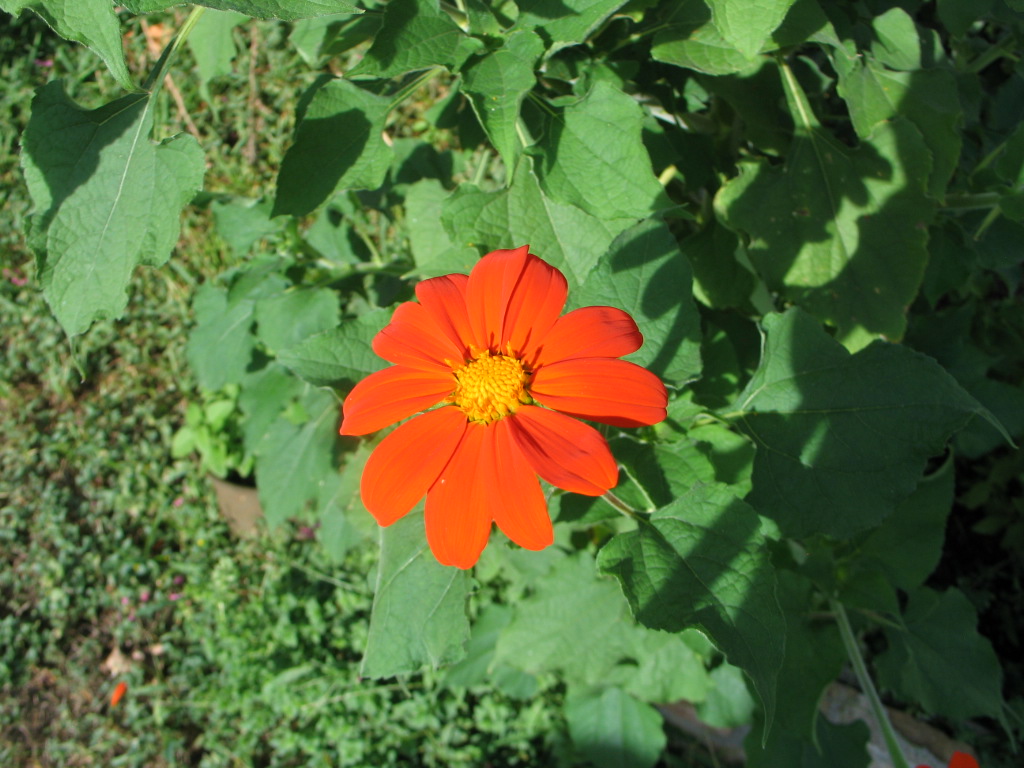
We generally get hummingbirds here at the homestead: they like the salvias, sage, and other bright orange flowers. The most attrative thing to hummingbirds i've ever grown, however is mexican sunflower or Torch Tithonia. These flowers are GORGEOUS. Tall and sprawly like multi-flowered sunflowers, but the flowers are more daisylike and come in bright colors like fushia and orange. I haven't succeeded in growing any tithonia at this house, sadly. The rental we lived in before this had two large bedroom windows along a long, flat, southern facing wall. I planted mammoth sunflowers and tithonia with the most success i've ever had with sunflowers. The mammoths got at least 15 feet tall, and the tithonia went CRAZY, attracting hummingbirds right to our window where we could watch them fluttering about. It was quite magical and i wish i could get the stinkers to grow here. I don't really have a sunny enough, protected area that gets regular water.


So for now, enjoy this pretend nectar, hummingbird friends.
  • 1 part sugar
  • 4 parts water
  • Bring to a boil, cool, pour into feeder. Change regularly.

Monday, April 26, 2010

On The Road

The husband and I had quite the little adventure this Saturday. I woke up early to make some homemade tortillas (a mixture of whole wheat and masa: delicious!) for breakfast tacos while the hubby slept in a bit. Soon he was up and adam and we had a most delightful breakfast:
  • Homemade tortillas (whole wheat flower, masa, drizzle olive oil, cold water, mixed and pressed and heated on medium for 1 minute per side)
  • Scrambled eggs (plus a little baking soda for fluff) with salt, pepper, chilly powder, and turkey bacon
  • Cheese
  • Hot sauce
So tasty!  As soon as i watered the garden and the hubby moved the chicken coop and put the girls away, we were off! To San Saba. But not as directly as we'd have liked.

Our plan was to take 71 to 281 north to Colorado Bend State Park for a hike and some fishing then back west to San Saba. Unfortunately when we were just about to Spicewood on 71, traffic halted. An ambulance rushed by. A helicopter touched down up ahead! Things were not looking good. Then we heard the radio dj mention a bad wreck on 71 that would be a few hours in the cleanup. We turned around. Ha.

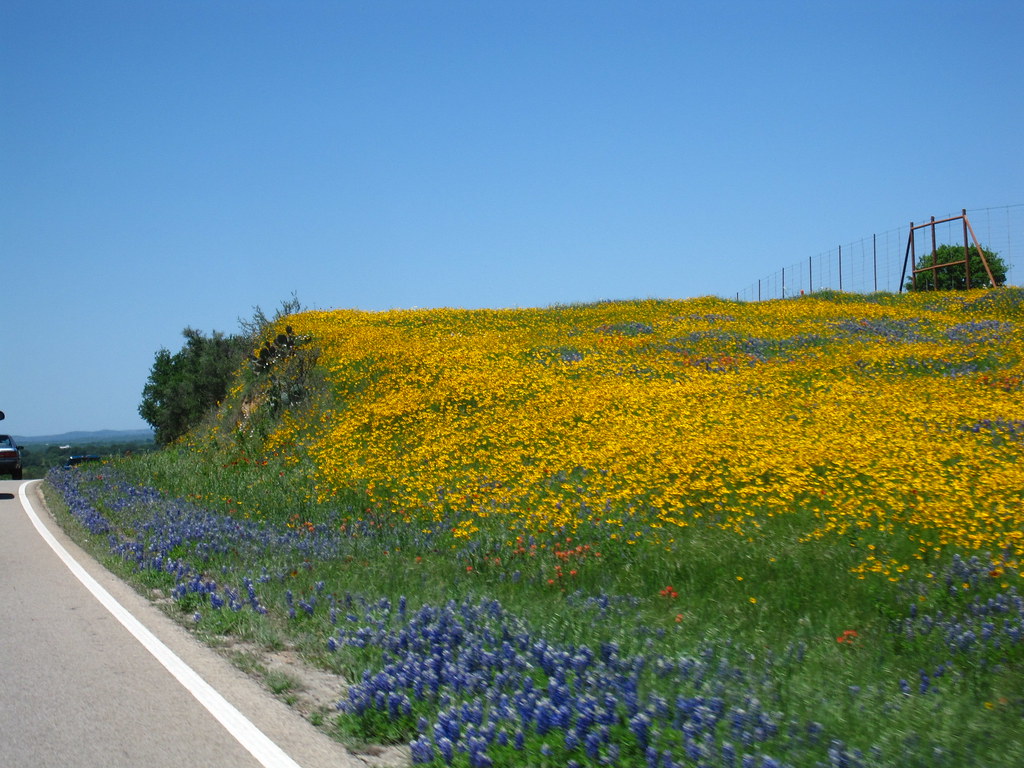
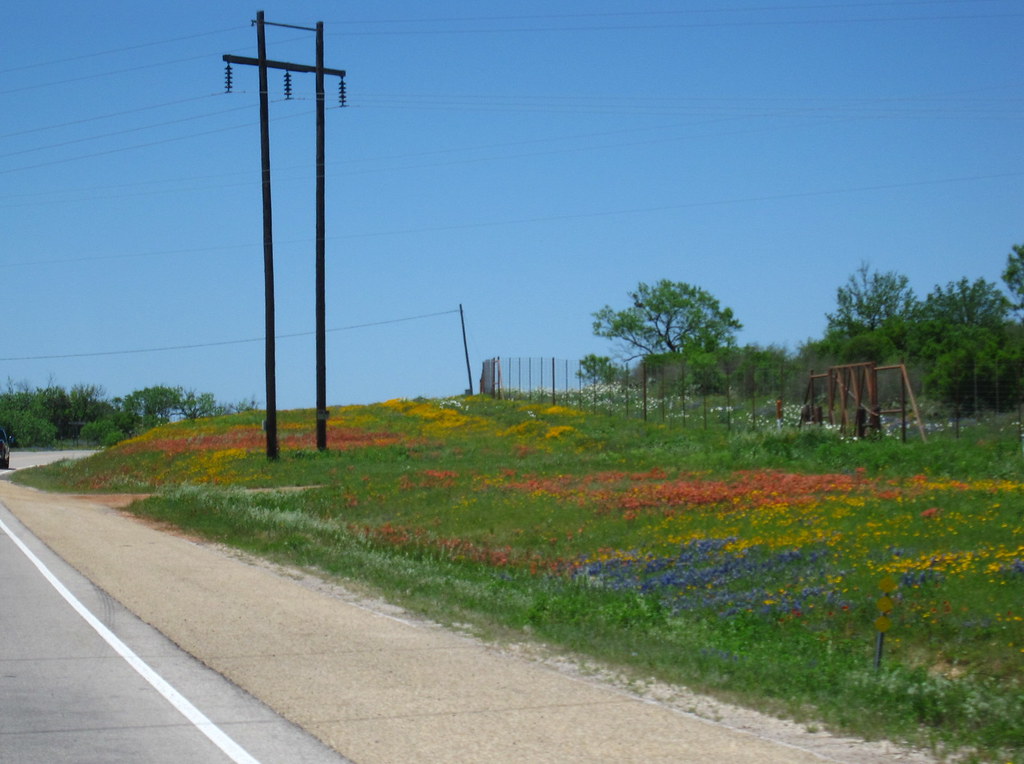
Back down 71 to a little ranch road that would connect us to Dripping Springs to another little ranch road back up to 71 and... well you get the point. We went out of our way. About a few hours out of our way: but it was worth it! Because THIS (and actually much more beautiful, but it's hard to capture something so magical with a camera, as you wiz past it in a car)  is what we saw:


These photos really barely do the flowers justice. But I hope you get the idea. It's days like this that bring my joy in my life, my marriage, the place i live. A day that could have been 'a bust' became a great adventure. We made it to the park, just briefly but with time enough for a short walk and good conversation. San Saba was fruitful (we were in search of gourds for my husband's artistic ventures) and the voyage was long but enjoyed by us both. These are the good days!

Have you made 'lemonade from lemons' recently?

Friday, April 23, 2010

Homemade Dyes


In my recent venture, Tinctures & Tonics, i've been playing apothecary and creating potions and bath products using homegrown herbs and other various botanicals. But what about pretty colors? So far i've been relying on store bought turmeric and occasional use of regular old food coloring. I would prefer to make it all myself.
What i've tried so far:
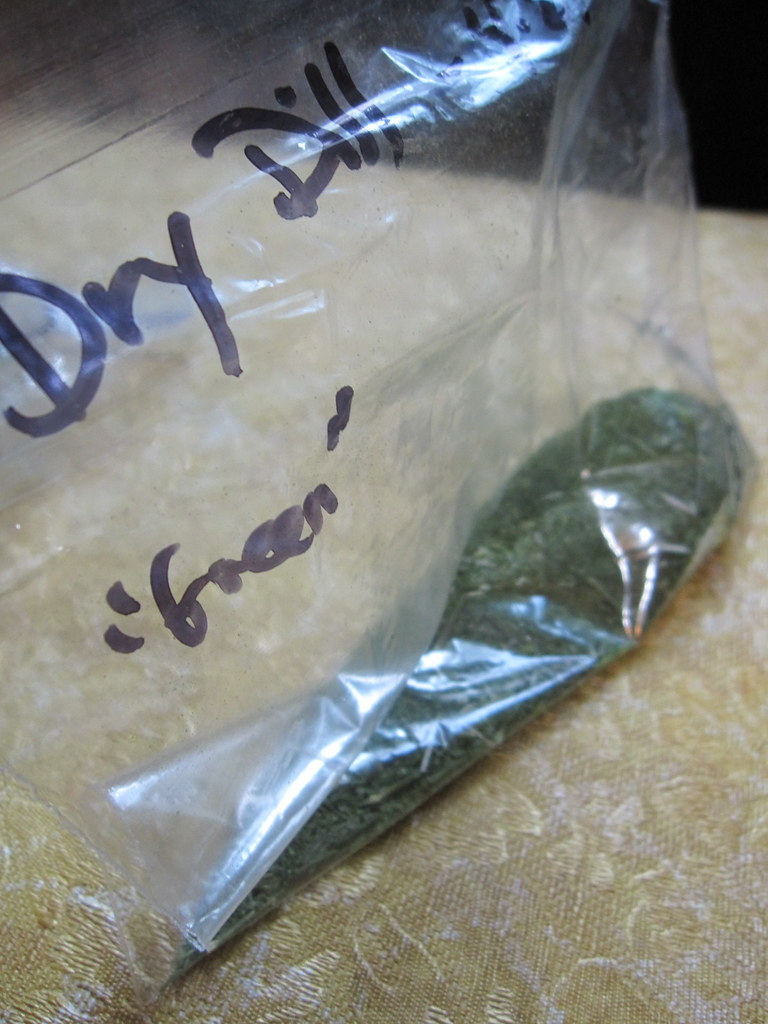
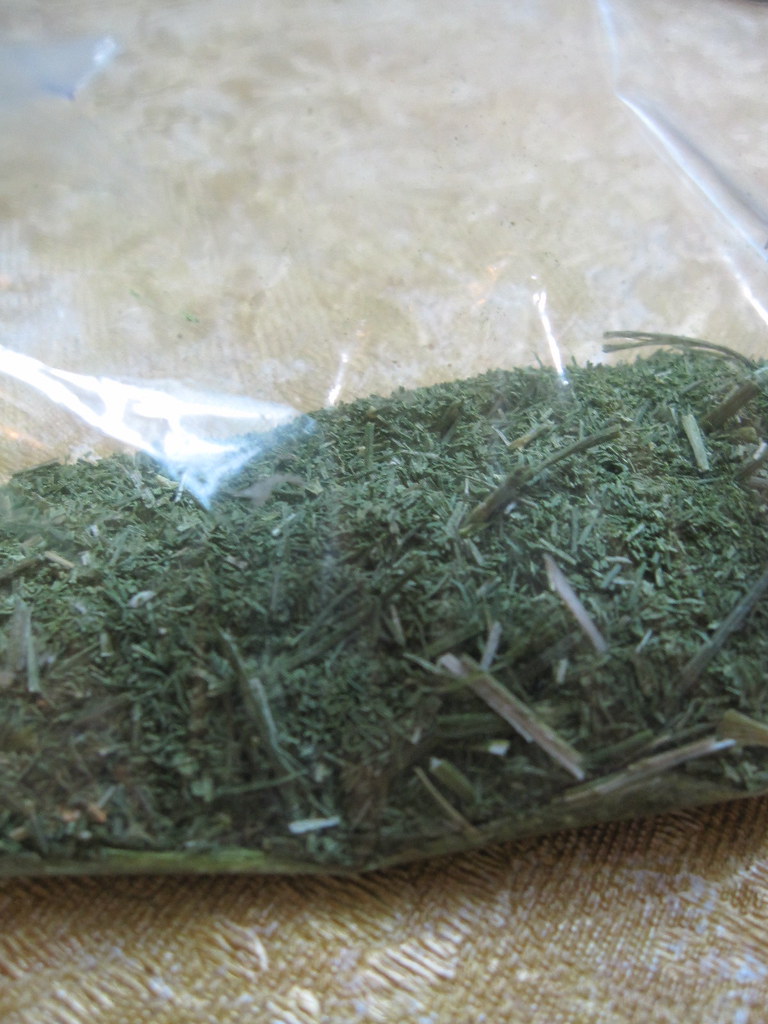
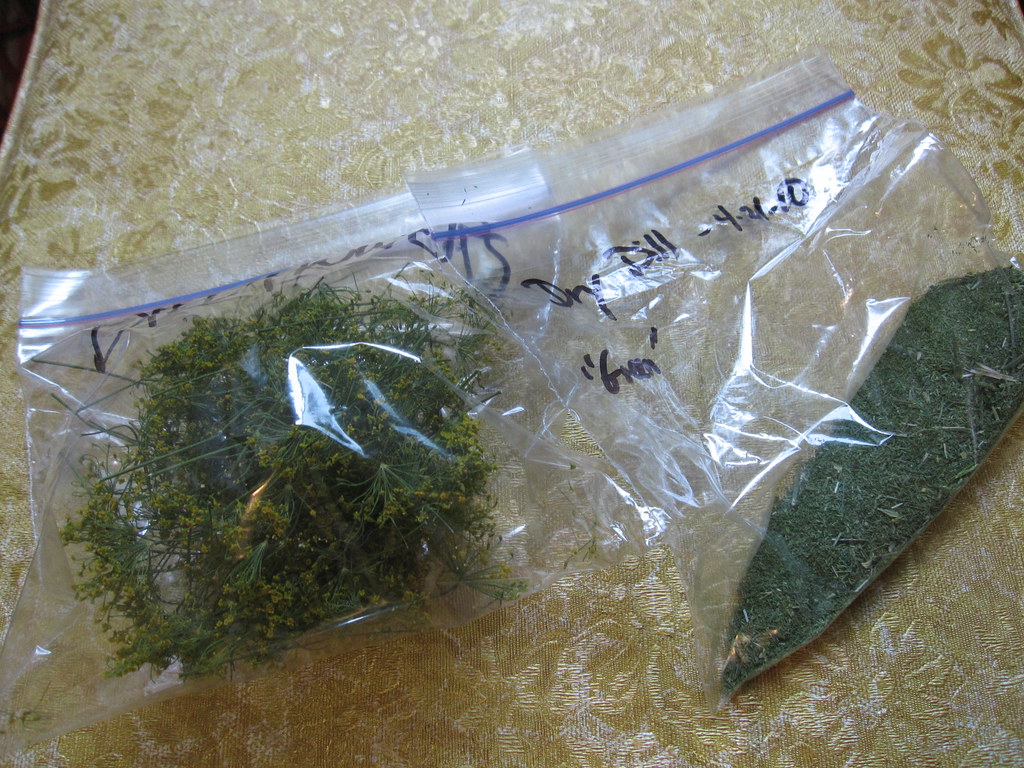
  • Dehydrated some dill and ground it for green dye. Haven't tested it yet, but i bet it will work for soaps and candles, unless it just floats. Perhaps if i rub it in some oil first and then mix it in.
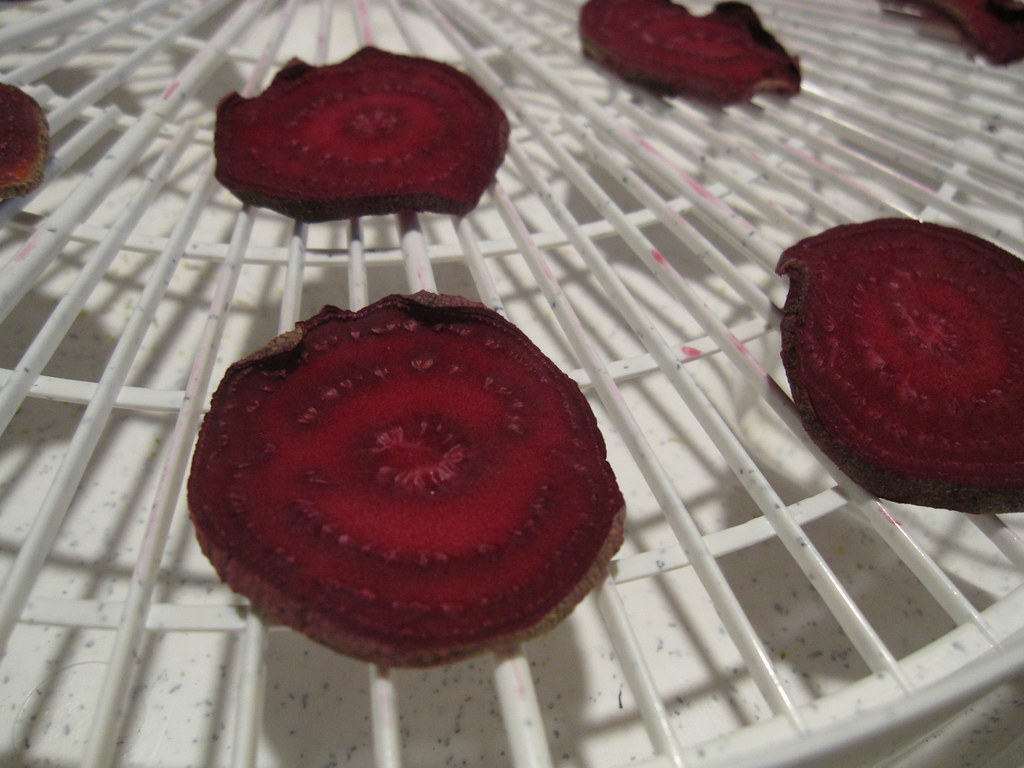
  • Dehydrated beet root. Can't beat this opacity! Dehydrated and ground, i'll have to use this sparingly to be sure not to 'stain' my product users (no one wants to wash their hands and have them come out pink!)
  • Beet Root stain - boiled it down for a few hours. May just try and dye my hair with this, we'll see ;)
  • Sage flowers - lilac purple. Not sure if these will work, but it's worth a shot.
Obviously, i haven't tested these things out. But soon, SOON! i'll make my first batch of homemade, cold processed soap (and hopefully not burn myself with lye repeatedly, as i did in some rather disturbing dreams last night). I'll report back then.


In the meantime: do you have any tips/recipes for creating homemade dyes and colorants, suitable for soap making and salt coloring?

Thursday, April 22, 2010

Happy Earth Day

Happy Earth Day, everybody. A day for people to use less energy, plant trees, and feel otherwise green and smooshy. Let's all do a little more to promote earth day every day, shall we?

This will be a short post to reflect some of the things i've done to bring Earth Day to my little homestead every day, and to muse on some of the things i'd like to do more of.

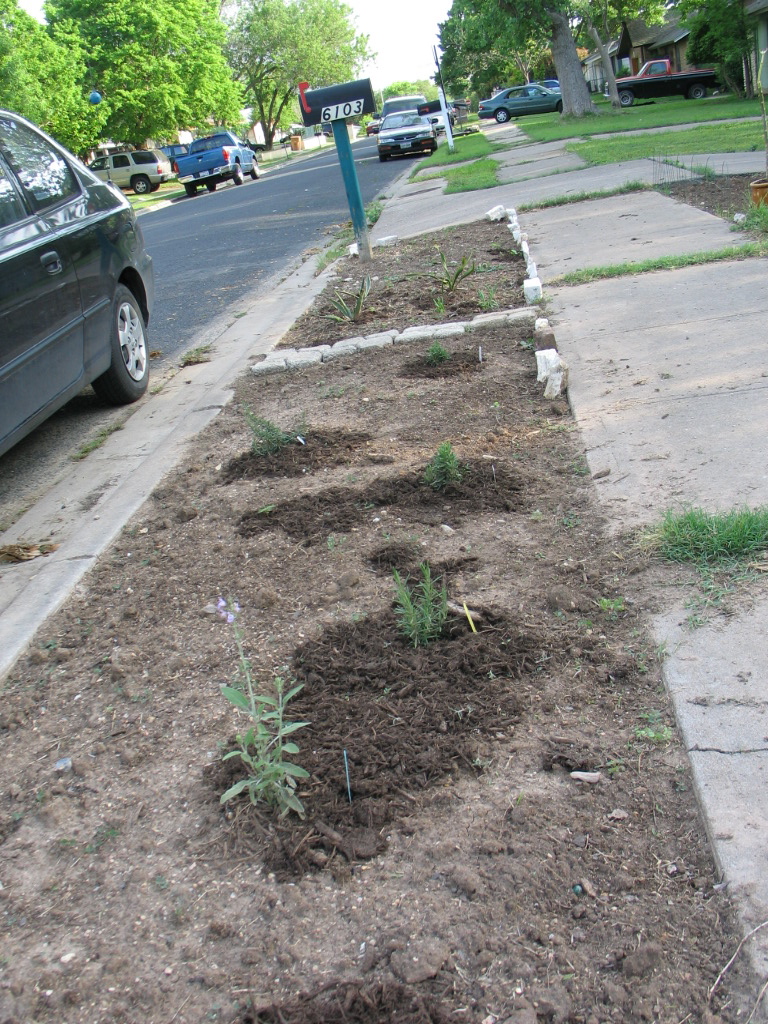
Here's my house when i bought it: nasty, yardy, chemical used (probably), toadless, anoleyless, butterflyless suburban blah, and after we dug the grass out of the street side (over the course of a month) and planted tiny little rosemary and sagelets:

Here it is now! Well, actually a few weeks ago, it's blooming even more now - but it is also raining and not sunny for photographs:


I know they're different angles, but you can get the jist! Since October of 2007 my husband and i have improved our homestead by:
  • dug  out 'strip' of lawn between sidewalk and street and planted native perennials, agaves, yuccas and wildflowers - many of which serve as habitats for beneficial insects
  • Dug out several sections of front lawn to install vegetable and herb gardens, using found and reclaimed materials, amended the soil, and welcomed the toads, skinks, and beneficial insects
  • Only irrigate food crops
  • Cultivated native plants and 'weeds' that promote beneficial insects and butterflies in the backyard
  • Practice only organic gardening methods
  • Installed a rain barrel to use captured rain water to irrigate our veggie crops
  • Built a gorgeous and prolific compost heap in the backyard that has now started feeding our gardens. We recycle all recyclables, compost all food scraps and natural fibers, and only fill 1 smallest city trash can per 2 weeks or so.
  • Certified my 'homestead' as a Wildlife Habitat trough the National Wildlife Foundation: a place where wildlife can raise young, find food and shelter, and be free of chemicals or pesticides
  • I bike places when i can and do a lot of walking, generally driving maybe a few days a week for short distances.
  • We do our best to keep our energy use low and have a thermostat that is part of our city's energy conservation plan: during high uses times it is automatically shut off.
 I feel like we've done a lot, and are repaid daily by the enjoyment that watching native plants and wildflowers grow and bloom, and insects reproduce, be born, transition, and flourish within a healthy ecosystem (complete with awesome scenes of assasin bugs eating flies and ladybugs eating aphids) brings. It is so wonderful to know i played a part in restoring the natural balance of the ecosystem surrounding my house.

However, in the future there are things we'd like to do to help restore the natural balance in our own ecosystem - we use a lot of energy despite being frugal, and there are some things i'd like to do to help with that:
  • Install solar panels to power things like electric fences, water pumps, out buildings, water heaters, etc
  • Wind power perhaps? Depending on where we move, perhaps we could have a wind turbine to help power some things, but perhaps that's beyond our scope.
  • Grey water collection: i desperately want a grey water collection system set up - either to redirect it to gardens, or to be filtered and reusable in other ways. (grey water would include sink and shower water waste)
  • More rain barrels! I want a better system, particularly in its orientation. My present rain barrel is down hill from my veggie garden, which means i have to use a watering can and walk back and forth a million times. I'd like to set up a system that can use gravity to automatically irrigate our veggies and herbs. Perhaps also setting up certain barrels to filter the water to potability standards for our livestock.
  • We desperately need to add more insulation to our attic and get better windows and doors - the seals are all off due to our foundation troubles and i'm sure our energy use would be lessened with more insulation.
  • I already grow a lot of our food, but i'd really like to grow a larger percentage so that we rely less on food that is grown more than a few miles from our house. I'm doing well in this regard, but could do much better!
Enjoy Earth Day, everyone. Let me know what you'll be doing this next year to reduce your (negative) impact on this earth as a human being. We're very destructive animals with the greatest capacity for domination over the rest of the world - let's take that power into our own hands and use it for good!

-Miranda

Wednesday, April 21, 2010

Wholesome Wednesdays: Agave Nectar

As i eat my hot cereal (cooked whole and ground wheat berries with flax seeds and raisons) I wonder what i should write about today. Since said cereal is sweetened with agave nectar, i thought i'd do some research on that.


The main draw of agave nectar is that it is low glycemic - this means that the sugars are broken down more slowly and the energy should last you longer throughout the day, instead of spiking like refined sugar or honey. It is runnier than honey,  i generally use it in recipes the same way as i do honey, or just add a smidge for a little dose of sweet instead of using sugar. A.N. has a long shelf life, and doesn't tend to crystallize as honey often does (which i actually really enjoy). I have purchased a few different brands, and am quite enjoying this specific brand that is harvested in Mexico and processed/distributed out of Sugarland, TX - which is really pretty local considering i live in central Texas. Certainly more local than cane sugar coming from Hawaii or some other foreign land across various seas.


Look at all of that lovely information on how agave nectar is so great. However, i must touch on the 'controversy': I am against the use of high fructose corn syrup. It's just not a wholesome ingredient and is found in SO many processed foods. (just yesterday i was about to buy us some Miracle Whip, because although we both love my homemade mayo, and i want to make all our own condiments, Miracle Whip just has that certain zing, ya know? I refrained from buying any, because almost all the brands had hfcs in them - and the name brand was a huge container. So i'll be trying a batch of mayo with agave nectar and paprika in it to try and recreate the miracle whip, stay tuned). But there are recent discussions on the healthfulness of agave nectar, and its close resemblance to hfcs:

Agave nectar is advertised as a "diabetic friendly," raw, and a "100% natural sweetener." Yet it is none of these. The purpose of this article is to show you that agave nectar is in reality not a natural sweetener but a highly refined form of fructose, more concentrated than the high fructose corn syrup used in sodas. Refined fructose is not a 'natural' sugar, and countless studies implicate it as a sweetener that will contribute to disease. Therefore, agave nectar is not a health building product, but rather a deceptively marketed form of a highly processed and refined sweetener.
see that whole article here,   it's a good one and offers up a lot of crazy claims with a nicely balanced introduction.

So, is agave nectar wholesome or not wholesome? I'd say it's a good alternative to honey, and should be used sparingly, as all sweeteners should be used. I'm about to go purchase some stevia plant seeds so that i can have some sweet herb to use in my tea instead of sweet & low, but this agave nectar is a yummy sweetener to use on my morning cereal before i slave at the gym. I feel energized throughout my workout, without the crash of other refined sugars. But i'll be sparing my teeth, bones, and metabolism by keeping my use of all sweeteners very light.

What's your favorite sweetener?

Tuesday, April 20, 2010

Found: A great Austin resource

On developing the packaging for my newest venture, i searched the entirety of at least 3 stores on the quest of recycled fiber cardstock.
To no avail.
But a friendly salesperson at OfficeMax (or someother such cookiecutter store) recommended a store up on Cesar Chavez street called "OK Paper." I did a google search when i got home and discovered a super wonderful resource, a mere 10 minutes up the road from my house!
O-K paper is a branch of Olmsted-Kirk Paper Company, a business that appears to focus on responsibly harvested and manufactured paper products. Oh, how i wish i'd known of this place two years ago!


(Little back story: my husband and i got married last June, and i designed and put together all the invitations myself. I wanted to have low environmental impact, so i ordered a sheaf of paper from the Neenah Paper Company that contained entirely recycled content. It was gorgeous paper, but sure cost a lot to buy and have shipped. And what do i do with this entire sheaf, you may ask? We only invited 50 or so folks.... Well, i printed ALL the wedding invitations after much careful scrutiny- only to have my then fiance look at one and point out a typo. Dang. So i fix the file and print them ALL out again. Only to notice myself that i'd put 2008 on them instead of 2009. IDIOT! So three batches of invitations later, there is no paper left. Alas)

 So, I may not have that pretty paper leftover, but i've discovered a great company right here in Austin that sells the stuff - so i stopped into their storefront, that is much like a factory warehouse adjacent to a bunch of construction (ah, Austin). I picked up three sheafs: brown cardstock for business cards and hangtags, cream paper for soap wrappers, and some regular old printer paper for every day use. The total wasn't pretty, a whopping $39. But if i can avoid printing everything three times, i think it should last us!


What is your favorite local shop for basic supplies that meet your moral shopping guidelines?

Monday, April 19, 2010

Recent Projects

My husband and i have long been planning a joint business venture of crafting, growing veggies and making cheese for market: selling our co-produced wares. It's mostly a future plan, but we've been gearing up to sell crafts and homemade products at a farmer's market this Fall. I was tinkering with some logo ideas the other day, and the very next day was approached by a friend asking me to sell at a small event she's putting together for mother's day.  
!

A bit sudden, and i'm not entirely prepared, but i felt it was 'a sign' or at least a catalyst to get off my duff and start working. I plopped down a decent chunk of change (investment costs?) on some soap making supplies, paper for packaging, and other items i'll need for my part of our project, and i'm getting some good work done!

The project will be known as The Relic Jar, and is a combination of my husband's brainchild and gourd art, with sewing assistance and herb knowledge by me. I've tacked on my own facet to the project, to be known as Tinctures and Tonics: assorted bath and body products, as well as candles and other crafty novelties. I'm also working on our little blog/website, TheRelicJar.wordpress.com - so bookmark that and check out the cool stuff being born over there.

In the meantime: here's a quick glimpse of what's going on in MY studio:

New desk from Thriftland, plus old spice rack to hold spools of thread and some curing soap (plus my old sewing stool, finally being used for actual SEWING)

Curing soap. Not entirely homemade this time, just some glycerine soap that i added botanicals, natural colors, and essential oils to. I quite like it - feels and smells good on the hands. Looking forward to playing with lye, though.

Recycled cup candles, and the first draft of packaging printed on paper made from hay.

And isn't this just pretty? 
I'll try and scatter some of this poppy's seeds by the Salvia 'Hot Lips' as their colors go so well together:
 

Here's to a productive week, happy Monday!

Sunday, April 18, 2010

Cooking and Canning Homemade Turkey stock - PART 2

I am brimming with satisfaction! But not without having first suffered some serious self-doubt and a few 'will my kitchen blow up' fears.

I love my pressure canner - but it is a little intimidating. A lot intimidating, actually. It's large, heavy, and could explode if i didn't treat it right. That being said, canning my gorgeous turkey stock went pretty well - but with a few impasses.

The stock cooked down delightfully - i simmered it for an extra long time and was rewarded with some golden gelatin. With the fat skimmed off, the stock is pure goodness: rich, thick, gelatinous goodness. Some of the health benefits of gelatin include:
  • Gelatin appears to be beneficial to athletes for muscle growth and metabolism.
  • Gelatin promotes a feeling of fullness.
  • Gelatin helps maintain regularity
  • Gelatin's high collagen protein content helps keep your skin smooth and firm. Many creams contain collagen to moisturize the skin but it is more effective when taken through food.
  • Gelatin strengthens the hair, keeping it looking shiny and healthy.
  • Gelatin is also excellent for the nails because it makes them stronger, so they do not break easily.
  • Gelatin is excellent for your bones because of its high concentration of glycoprotein and proline amino acids. If you have a deficiency in both amino acids, you can have joint pain. When it is taken orally, it travels directly to your blood and from there; it goes to its destination, the connective tissue. By adding at least 10 grams of gelatin to your regular diet, your joints will quickly regenerate in case you overexert yourself.  -hubpages.com
I also remember reading in Nourishing Traditions about the benefits of gelatin in assisting in the absorption of more nutrients when eating food.


Enough about gelatin and more about my canner:   The first time i used it, i carefully followed every little instruction in my various canning books. This time i tried to remember on my own - but also referenced the books. I heated my jars in the dishwasher, i put about 2 inches of water in the canner and brought to a simmer. I simmered my lids for 10 minutes at least, and was careful to wipe the rims of the jars with vinegar to remove any grease that may have touched there. All went well - but i didn't wash the canner and its lid with soapy water - just wiped it and put on new petroleum jelly along the seal.

After filling all 6 (or 7?) pints, there was a little bit left - about 2 pints worth - which i froze. Next time I'll know that an absolutely full pan of stock is a little more than 6 pints and will cook it down further, or plan on freezing some.


A few minutes into processing, i noticed my lid wasn't on totally straight, freaked out, and turned off the heat to reposition the lid. Second time around the lid still wasn't on straight and water and steam started spurting out! Frightened me! I did some research but figured i would just risk depressurizing vs explosion so went ahead and continued processing. I had to dodge spitting hot steam while working on some other crafts, but i think everything went fine.  All but one of the jars sealed right away, and when i tested the seals that one jar was totally not sealed in the least - so i just poured it into ice cube trays to be frozen.


Next time i will be sure to wash the canner's lid better, and to be sure the layer of petroleum jelly is even. But aren't they pretty?:


Playing with hot metal explosive devices can be scary - but prudence and patience lead to success.

Do you have any scary kitchen stories?

Friday, April 16, 2010

Cooking and Canning Homemade Turkey stock - PART 1

I find it deeply satisfying to purchase a scant $7 of turkey necks and turn them, along with a few pieces of organic produce (both purchased and homegrown) into a big batch of stock, plus a meaty casserole or lunch meat salad. I use every tiny bit of usable food to feed my whole family: both the humans and the chickens. Yes, you can feed chickens poultry with zero fear of 'cross contamination' or anything else wierd. If it's edible for humans, it's edible for chickens. Pecking at bones is a great way for my bird daughters to 'bone up' (har har) on their calcium, and the grosser meat scraps are perfectly palatable for them.

So here's my stock:

  • 2 packages turkey necks. I'd like to think they were responsibly grown, but i really don't know. Stock is one of those things i will buy 'slavery poultry' for, as i'm cheap out of necessity.
  • 2 onions
  • 5 or so fresh bay leaves from my lovely bay tree
  • some salt and pepper
  • a few gross cabbage leaves not worth eating in any other dish
  • several celery stalks
  • woops, i forgot to put garlic in there - oh well.
That's it - just throw those things in a pot, bring to a boil, cover and simmer ALL DAY stirring occasionally to break the meat off the bones.


I let the stock pot sit out all night - i always wonder the dangers of this. That definitely puts the food in the 'danger zone' (certain temperature parameters deemed unsafe by the food Lords of the USA) that could breed bacteria, but since i bring the stock back to a boil before eating it i figure we're okay.
The next morning i lift out the chunks into a colander or salad spinner - pour the liquid through a strainer into a smaller pot. I then (while wearing my apron) separate all the edible chunks of meat from the other gross slurry and save that in a pyrex for some other meaty dish.


Next, as i like to use EVERY LAST BIT OF GOODNESS, i pour very hot water over the gunk in the colander to get the last of the good juices and gelatin to pour out. I pour that through a strainer into the smaller pot which then goes into the fridge for the day.


The rinsed pile of onion/bone/fat/meat goo goes out to the compost heap to feed the delighted chooks (and hopefully not choke them to death) as well as quite a few mice and other nasty beasts i don't want to know visit my compost heap.


Once the fat has hardened, i skim it off and heat the stock back up in readiness to be canned.
So, there's the stock. Next up: Canning turkey stock.

Thursday, April 15, 2010

Texas Blind Snake!

Please visit the new version of this post at Pocket Pause!

Sometimes the most fascinating wildlife is found INside your house!
I was making dinner last night and heard the husband call out from the bathroom:
"What is that, is that an earthworm? a millipede?"
Um, i don't know about you, but the subject of 'worms' being found in bathrooms kind of gives me the willies. Sorry.
But i ran in and we were both suddenly aghast:
"It's a snake!"
Very tiny, ever so wormlike, but definitely squiggly in action like a snake. Check it out:


Sadly, my macro setting had a hard time focusing on this itty bitty guy - plus i was on the shade side of him. But still, you can totally see its scales, its tiny practically nonexistent eyes. So awesome.
Andy caught the little fella and put it into my raised bed, whereupon it squiggled its little newly born self into the soil. But one has to wonder: if this (according to the Audobon book we researched the blind snake in) is in fact a newly hatched snake: are there more eggs hiding in the bathroom? And how the heck did it get there? Did the mama snake come inside and lay eggs? Was this little hatchling so blind and confused it thought to make some long travel into a house from outside? Was he stuck to my foot?
The questions are endless. I love that i've turned my suburban yard into a National Wildlife Foundation's Certified Wildlife Habitat and can enjoy the pleasures of crickets wandering inside and tiny alien-like snakes saying hello in the bathroom.


What is the strangest or most interesting critter that has wandered into your house?